
Put a Real Store Inside Your Building
Cashless, glass-front micro-markets and modern vending machines for the people already in the building — staff, residents, members, patients, crews. We own the equipment, stock it, service it and insure it. Your building pays nothing.
and service
real meals
weekends
no fee
Locally operated · Tap to pay, no app · No cash on site · Nothing for your staff to do
A small store, not a vending machine
Tap a card, open the door, take it, close it. The charge posts on its own. No coins, no bill slot, no app, nothing your staff has to learn.
- 3–4x the selection of a coil machine: sandwiches, protein, real meals, cold drinks, coffee
- Nothing to jam, because people take it by hand
- No cash on site, so nothing to collect, count or pry open
- Restocked on live sales data, not on a route day
Tap. Open. Take it.
Close the door.
Ten seconds, start to finish, and nothing to learn. That is the entire user manual.
Tap
Any contactless card or phone. No app to download, no account, no balance to load, no employee ID to issue.
Open
The door unlocks once the card is authorized. Nothing to key in, no letter-and-number code to find on a shelf label.
Take
Pick it up with your hand. Sensors read the shelf, not the room. Take two things, or put one back.
Close
Shut the door and the charge posts itself. A receipt emails automatically. Nobody counts quarters.
Break rooms and staff lounges, dock offices and driver rooms, medical waiting areas, apartment clubhouses and package rooms, gym floors, residence halls, public works garages and civic lobbies. Anywhere people are already walking past, on an accessible route, next to one standard outlet.
The full process, walkthrough to install → · See it by building type →
It tells us when to come back
Every unit reports what sold, when it sold and what is running low. A traditional vending route arrives on the day the route says, empty or full. Ours is scheduled against what your building actually bought.
Refrigeration temperature reports the same way, so a cold case drifting out of range shows up on our end before anyone in your building notices it. Practically, the thing your people like stops running out by Wednesday, and the mix shifts toward what they keep buying without anyone filing a request.
Every building has a corner
that does nothing
Six of them below. Press to see what we put there, then open the page for your building type.

 BeforeAfter
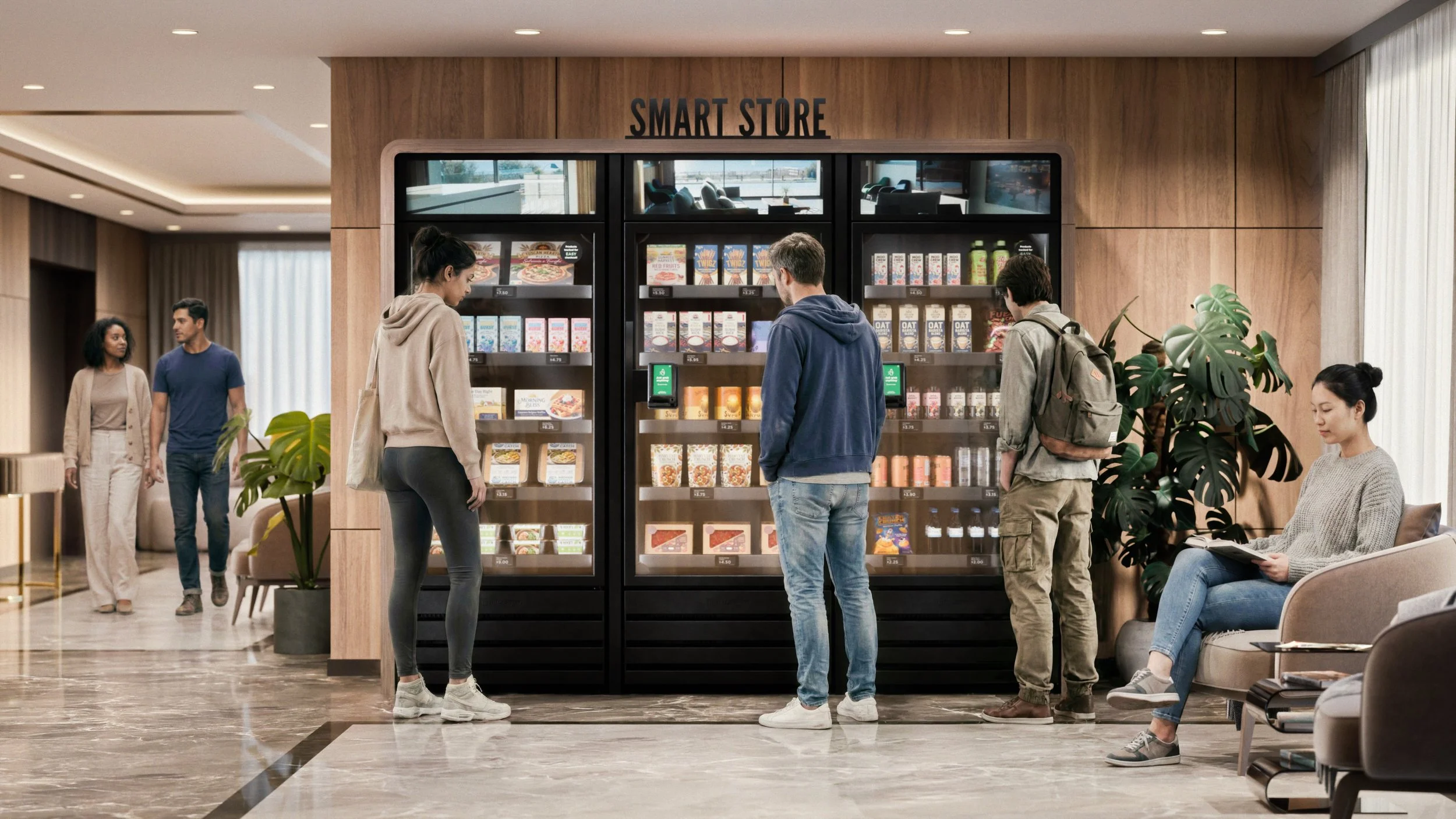
Apartments & hotels
The amenity that shows up on the tour and gets used at 11 p.m. No staff time, no inventory, no honor box.
What property managers ask →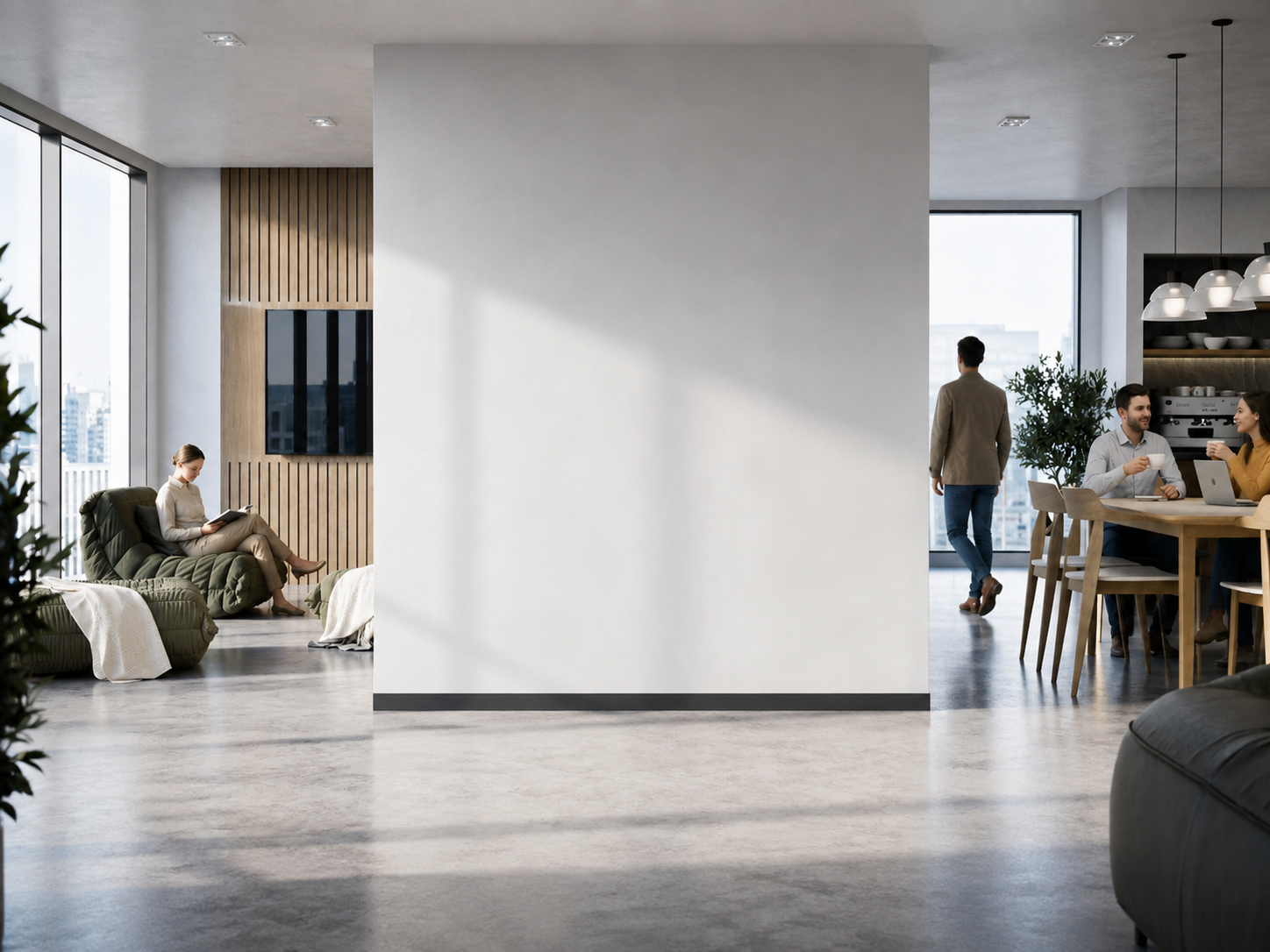
 BeforeAfter
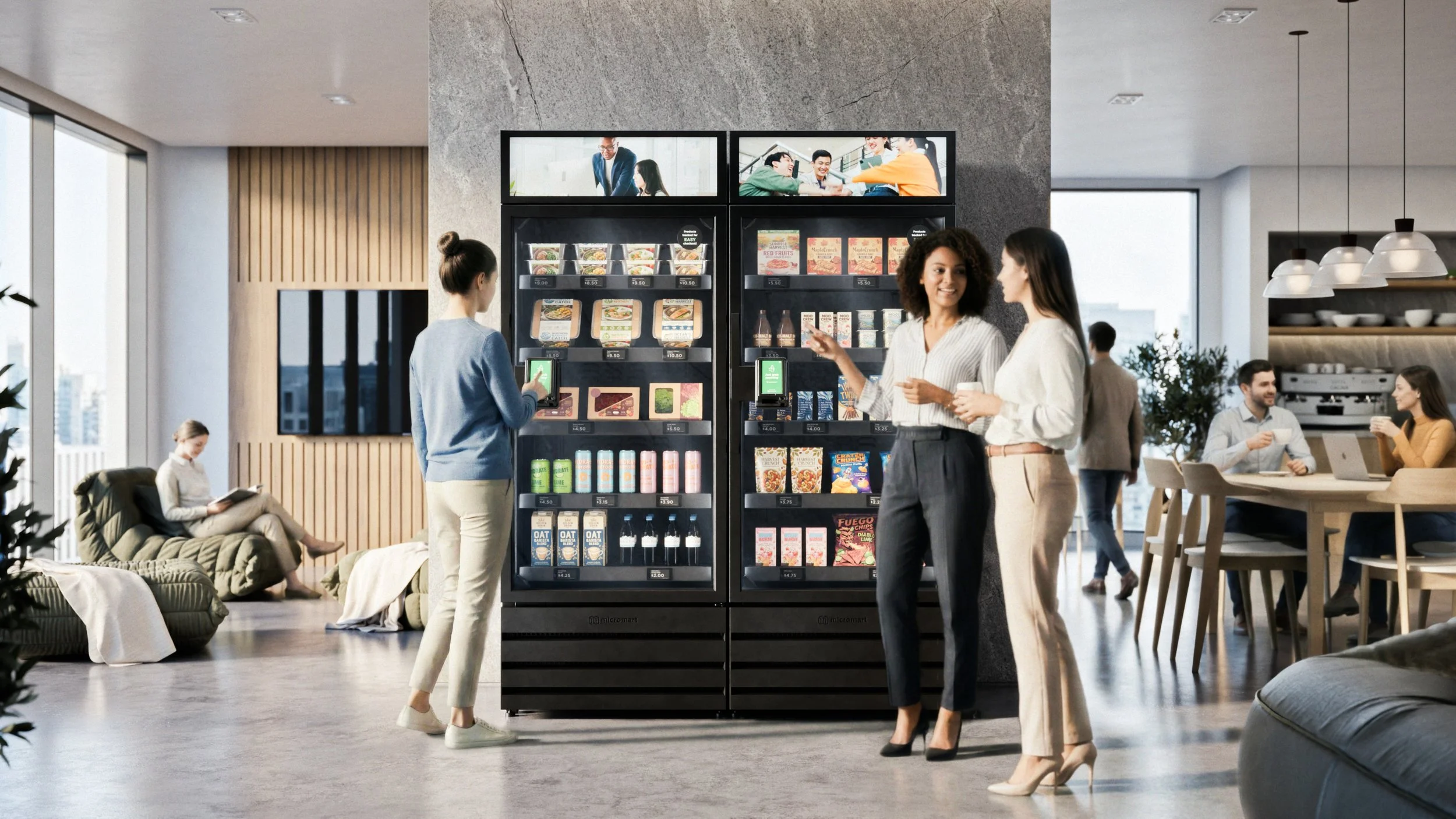
Offices & business parks
A fifty-minute lunch stops becoming ninety. The break room turns into the reason people eat in the building.
What it does to a lunch hour →
 BeforeAfter
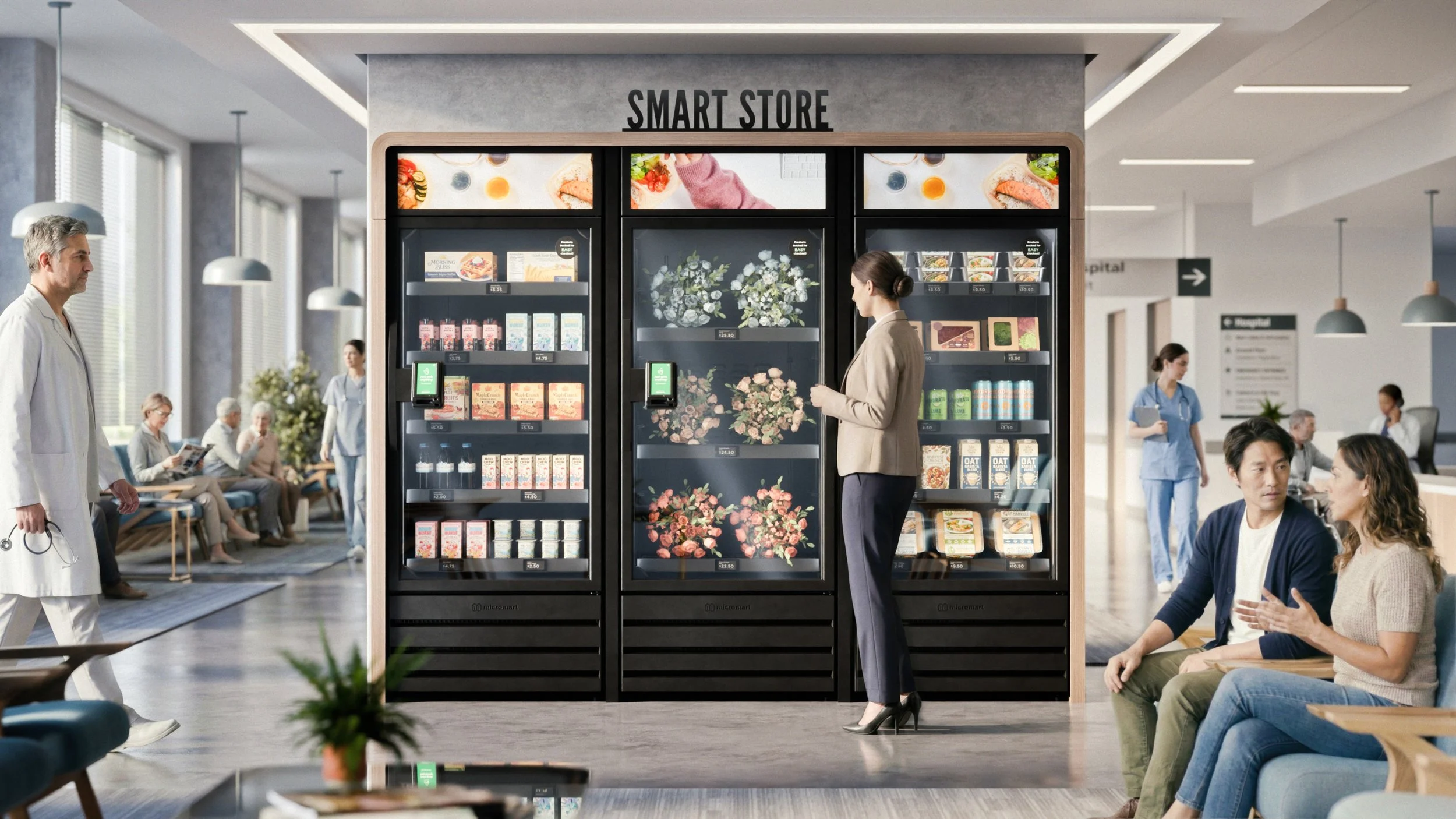
Medical offices & clinics
Two crowds, one unit: staff on twelve-hour shifts, and families who have been waiting since six and cannot leave.
Placement, HIPAA, cafeteria hours →
 BeforeAfter
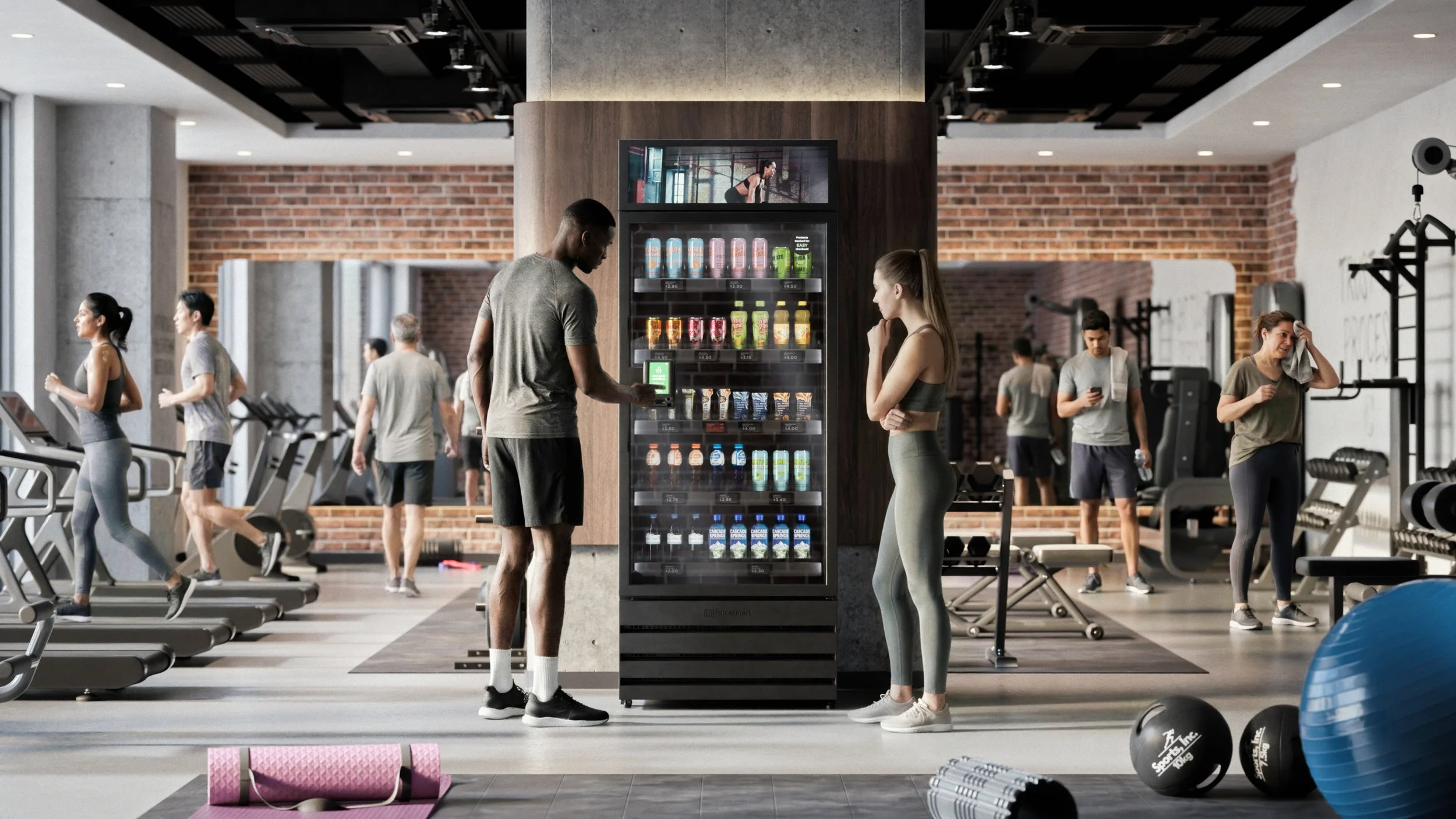
Gyms & fitness studios
Recovery product at 5 a.m. and 9 p.m. without a mini fridge behind the desk or a staff member ringing up a shake.
The revenue share question →
 BeforeAfter
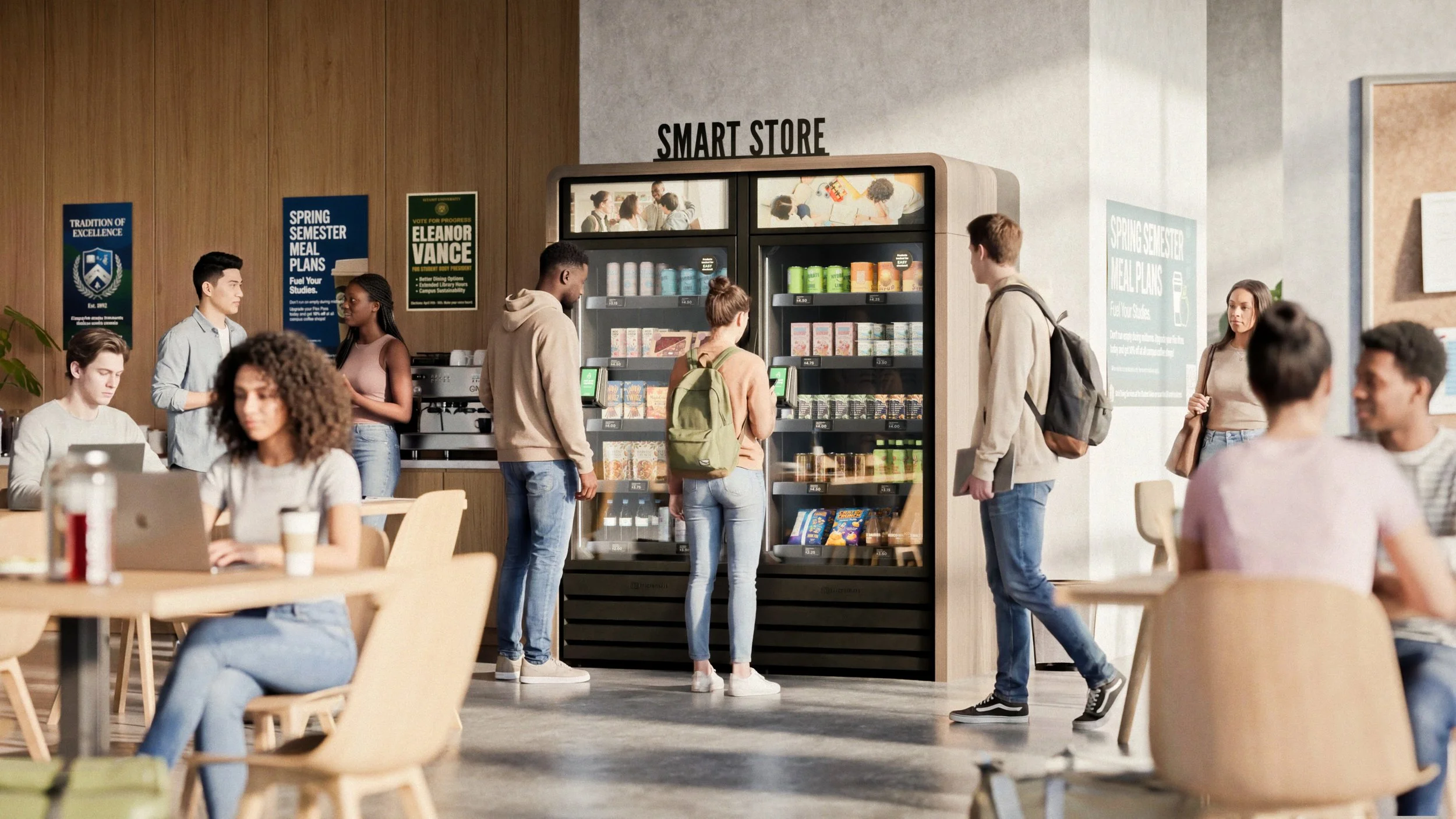
Schools & colleges
Staff lounges, residence halls and libraries at 10 p.m., built to whatever nutrition policy the district or campus runs.
Policy, hours, who approves it →
 BeforeAfter
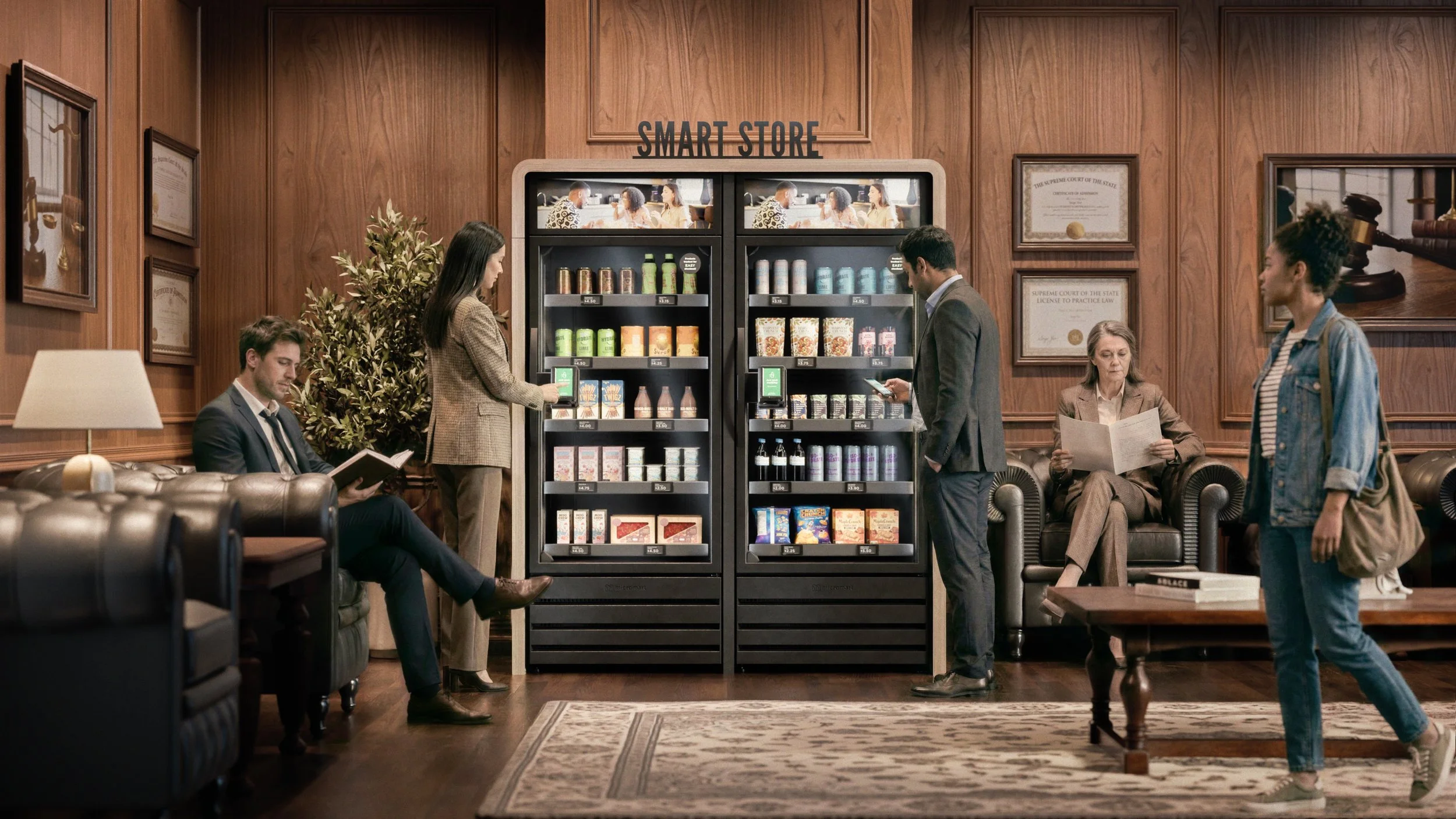
Government & civic
Public works at 3 a.m. during a snow event. No expenditure of public funds, so there is nothing to put out for bid.
Why it skips procurement →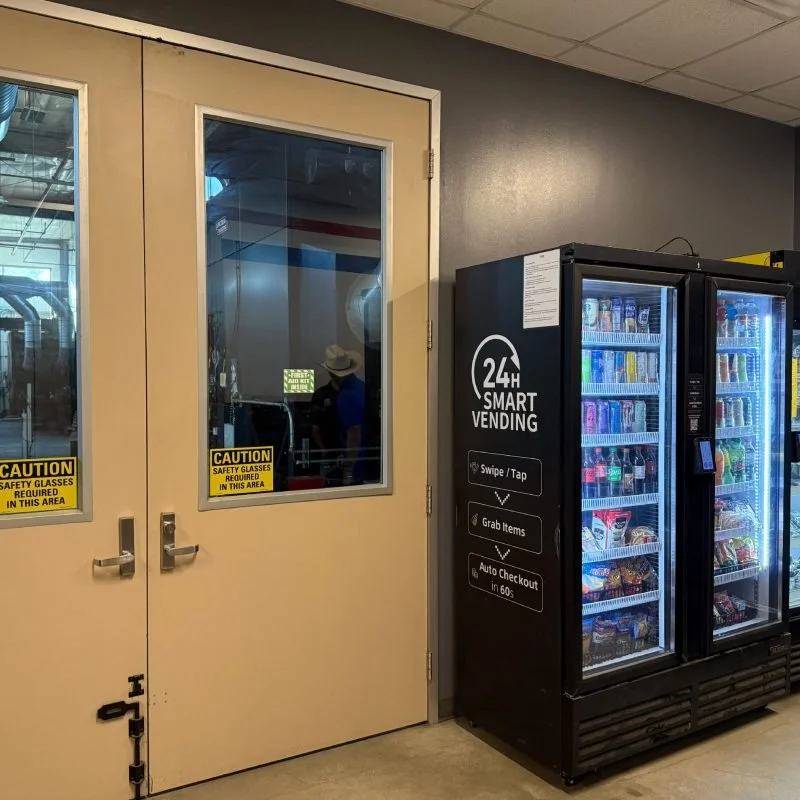
Warehouses & distribution
Three shifts, a gated lot and nothing open at 4 a.m. The strongest fit we install, and the one we say yes to fastest.
See the third-shift math →Not on this list?
Salons, dealerships, churches, manufacturing floors, call centers, dental groups. If people are stuck in a building at an inconvenient hour, it usually works.
All industries →What does leaving your
building actually cost?
Somebody leaves. That trip has a length, a frequency and a price, and it is being paid right now in a currency nobody puts on an invoice. Pick your building and move the sliders.
59 people walk out of the building for something to eat or drink
Sources: drive-thru lane time from QSR Magazine & Intouch Insight (5:29 average total time, 2024). Grocery dwell from Placer.ai via The Food Institute (23 min, 2025). Full shop from USDA Economic Research Service (46.0 min, ATUS). Average U.S. lunch break of 36 minutes from QuickBooks Time. Each figure adds the drive, the parking and the walk back.
Twenty working days a month. Move anything that does not match your building.
The U.S. Bureau of Labor Statistics puts total employer cost at $46.60 per hour worked for private industry workers, and $43.82 in the Midwest — wages plus benefits, March 2026. This slider starts well under that on purpose. BLS, Employer Costs for Employee Compensation
spent leaving the property
That is 3,516 hours a year spent leaving the building for something that could have been downstairs.

The gate is closed and the nearest thing open is a gas station
Second shift ends at 2:30 a.m. and the trip happens in a personal vehicle in the middle of a shift. Also true: operators surveyed for the NAMA industry census expect their strongest growth in manufacturing locations.
The third-shift breakdown →
The coffee run and the lunch run, every single day
Two trips, both into traffic, both longer than anyone thinks. Also true: the average micro-market sits in a building of 100 to 150 people, according to Grand View Research. Most offices assume they are too small. Most offices are wrong.
What it does to a lunch hour →
Twelve-hour shifts, and a cafeteria that closes at seven
Clinical staff often cannot leave the floor at all, so the ones who can are gone longer. Also true: the second crowd costs nothing extra. Families waiting since six use the same unit, on the same floor space.
Placement and shift coverage →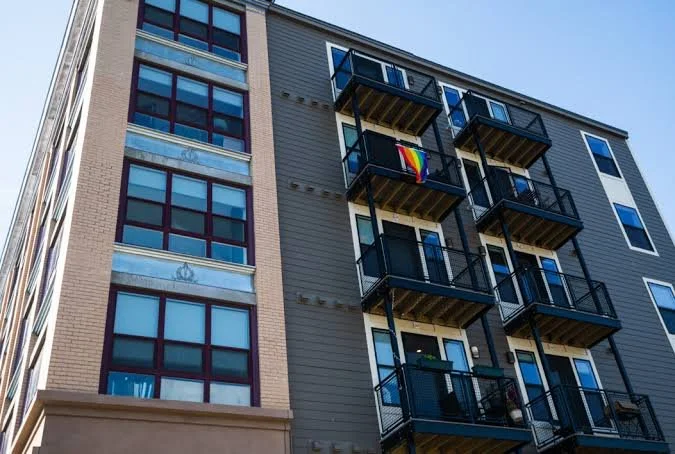
The 11 p.m. drive to a gas station
Resident time is not payroll, so we do not price it like it is. It is still the amenity gap the property down the road is advertising. Also true: it costs the property nothing and takes no staff hours, which is why it moves fast in residential.
What property managers ask →
Every drink your front desk sells by hand
Ninety seconds of staff attention, a card terminal, and a cooler somebody restocks. Also true: it sells at 5 a.m. and 9 p.m., when the desk is thinnest, and you stop carrying inventory or eating the spoilage on it.
The revenue share question →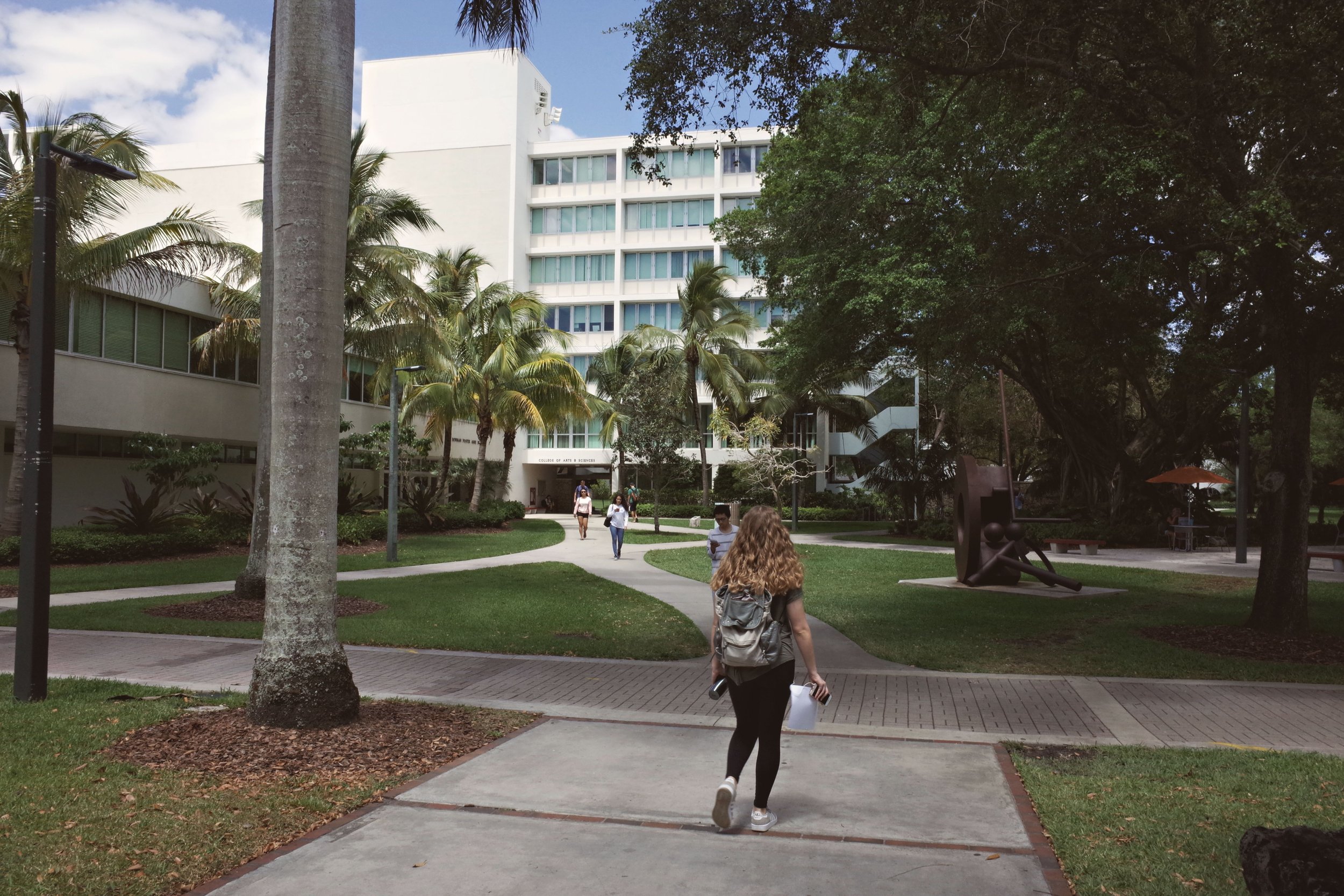
A thirty-minute lunch and an eighteen-minute drive-through
Staff cannot leave campus and be back in time, so the lounge runs on whatever somebody brought in. Also true: the planogram is written to your nutrition policy before install, and you approve it in writing.
Policy, hours and approvals →
A plow crew leaving the yard mid-event
Public works at 3 a.m., dispatch overnight, election judges on a fourteen-hour day. Also true: because there is no expenditure, most municipalities handle this as a facilities-use agreement instead of a procurement item.
Why it skips procurement →The sliders start on a typical building of that type. Nothing here is a quote, and nothing is sent anywhere — it is arithmetic running in your browser.
The machine you have,
and the one you don't
One switch. Everything below it changes at once.
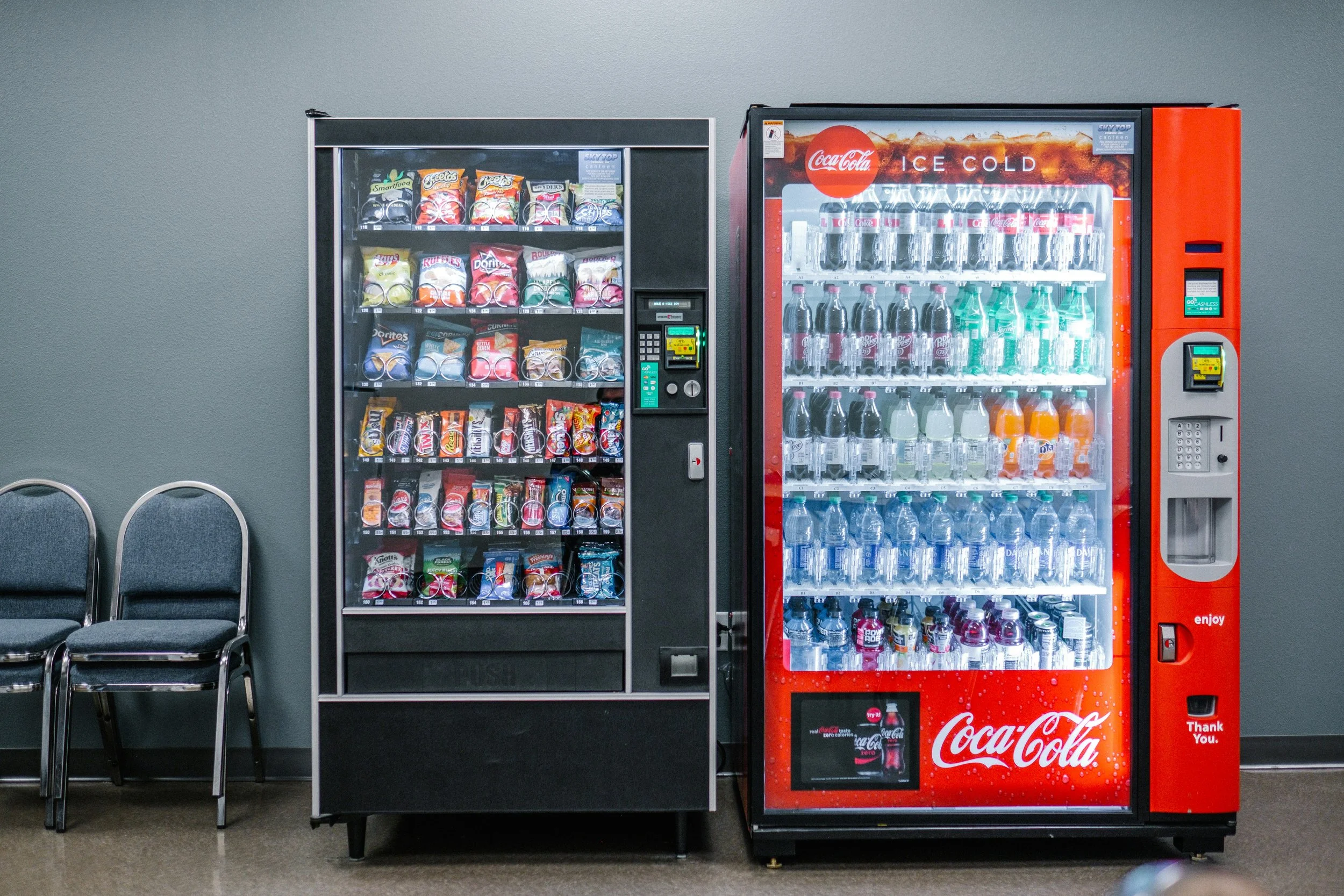 Coil machineSmart market
That is the machine most buildings are still living with. Flip the switch.Same wall, same outlet, same floor space. Here is what actually happens next →
A vending machine has to fit the product.
We fit the product to your people.
A coil has to catch an item, hold it and drop it without crushing it. That one mechanical fact decides most of what a traditional machine can carry.
Dimensions, dispensing method and temperature restrict what a coil can hold; refrigerated, frozen and smart machines carry more than a coil does. In a market nothing has to fall, so shape, weight and packaging stop being the constraint.
61 of 61 example products supported, against 17 in typical coil vending.
A further 20 are restricted rather than impossible — a coil can sometimes carry them, in one size, in one package, if the machine is refrigerated.
Snacks are only the beginning. See how the planogram gets built →
We fit the building, not the catalog
Half our conversations end with the smaller answer. We would rather tell you that at the walkthrough than after the install.
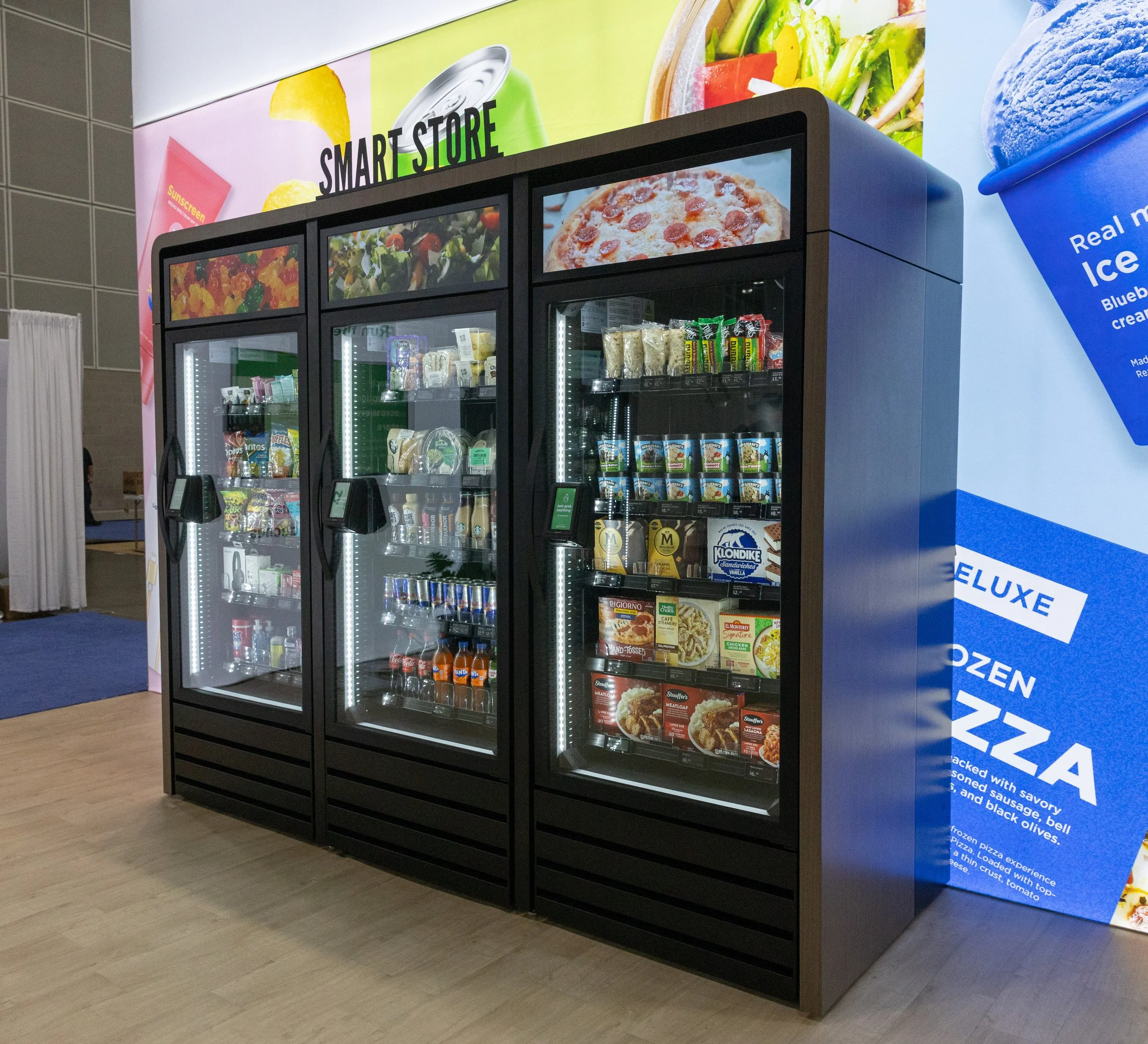
The micro-market
One to four glass-front smart coolers, side by side. 100+ items including refrigerated meals.
Fits: roughly 50 people and up, or fewer if they are captive.
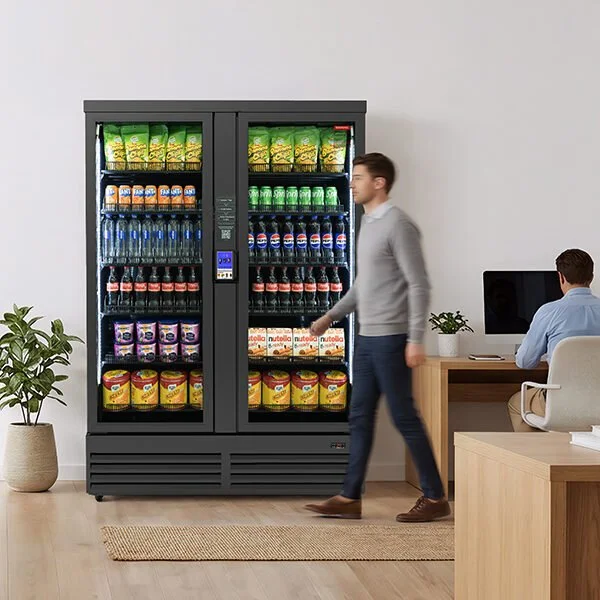
The modern vending machine
Combo snack and drink units with card readers that work and remote monitoring built in.
Fits: smaller headcounts, tight rooms, satellite buildings.
Headcount is not what decides it. Captivity is.
A gated dock with 30 people on second shift beats a 200-person office next door to a grocery store, every time. Here is how we score a building →
Think stocking it
yourself is cheaper?
Plenty of buildings run a fridge and a snack shelf out of somebody's budget and somebody's Saturday. It is a real option. Here is what it actually costs.
Employee hourly cost is the loaded cost, not the wage. The U.S. Bureau of Labor Statistics puts total employer cost per hour worked at $46.60 for private industry, wages plus benefits, March 2026 — BLS, Employer Costs for Employee Compensation. Whoever does your restocking is on the clock the whole time.
buying, transporting, unpacking and restocking
And that is still before spoilage, the card reader, the fridge that dies in year three, and whoever chases the person who took the last four drinks without paying.

- 0 hrsRestocking
- 0 hrsProduct ordering
- 0 hrsEquipment maintenance
- 0 hrsPayment management
- $0Product you buy up front
- $0Cost to the building
We stock it. You use it.
Same shelf, more selection, refrigerated meals, tap to pay, and nobody in your building spends a Saturday at a warehouse club with a receipt to expense.
How the handover works →Micro-markets were the only convenience-services segment to post net growth between the 2018 and 2022–23 industry censuses, and smart coolers are what pushed them into smaller rooms — NAMA, State of Convenience Services.
You are not buying anything.
That is not a sales line, it is the model.
We own it, stock it, clean it, service it, insure it and absorb the shrink. We earn a margin on what sells and nothing else. If your building does not buy anything, we lose money and you lose nothing.
Everything on this map
is a same-day drive
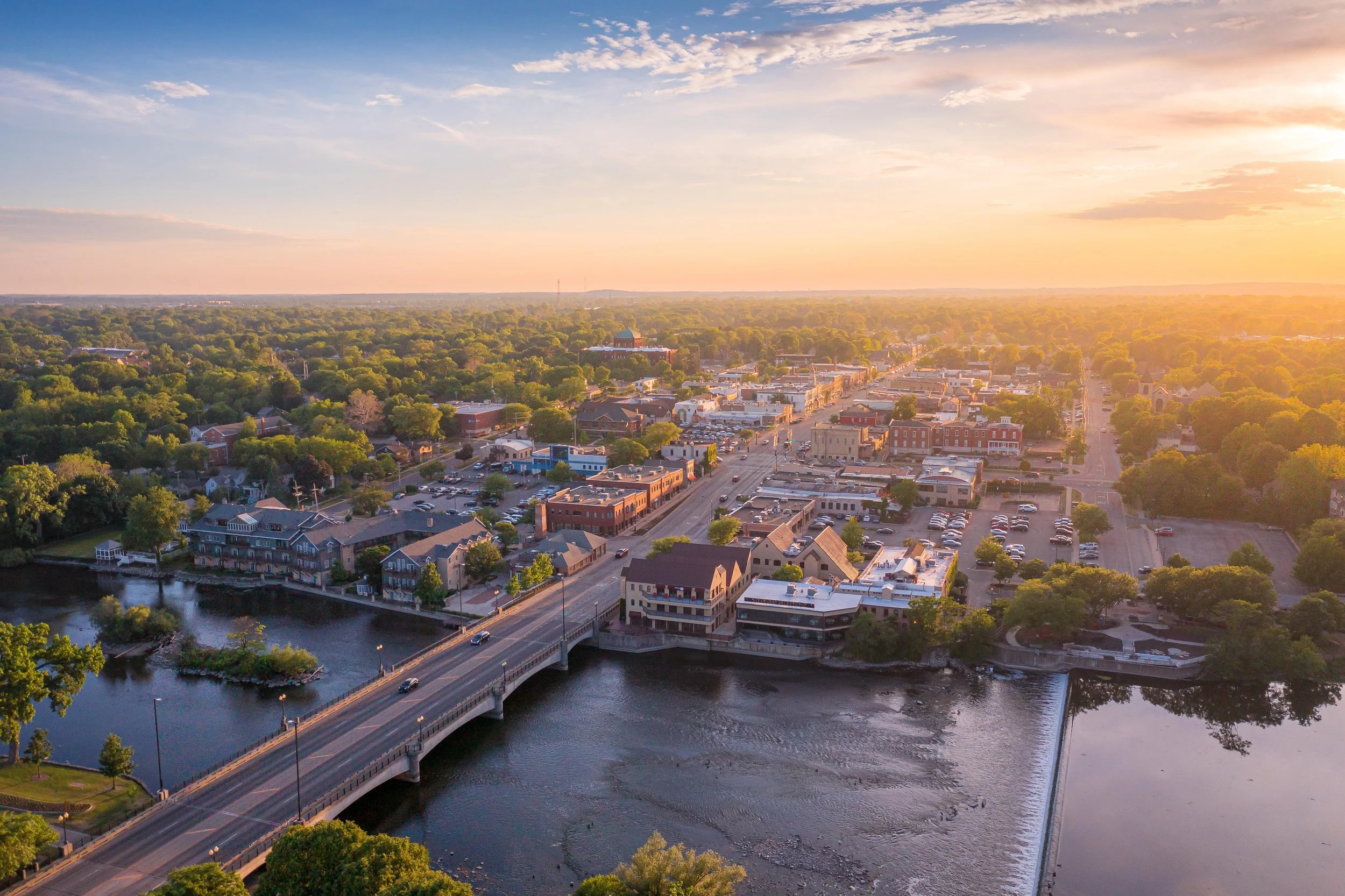
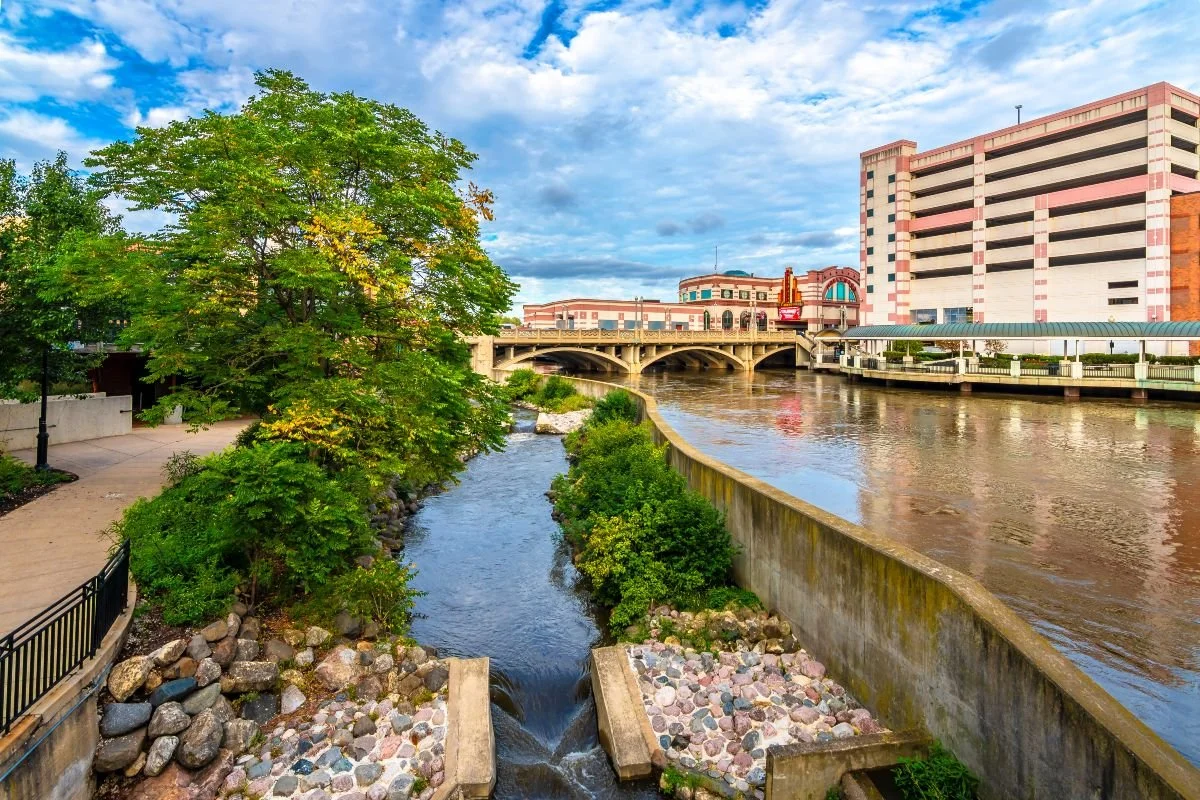 Aurora
Four counties, one city
Aurora
Four counties, one city
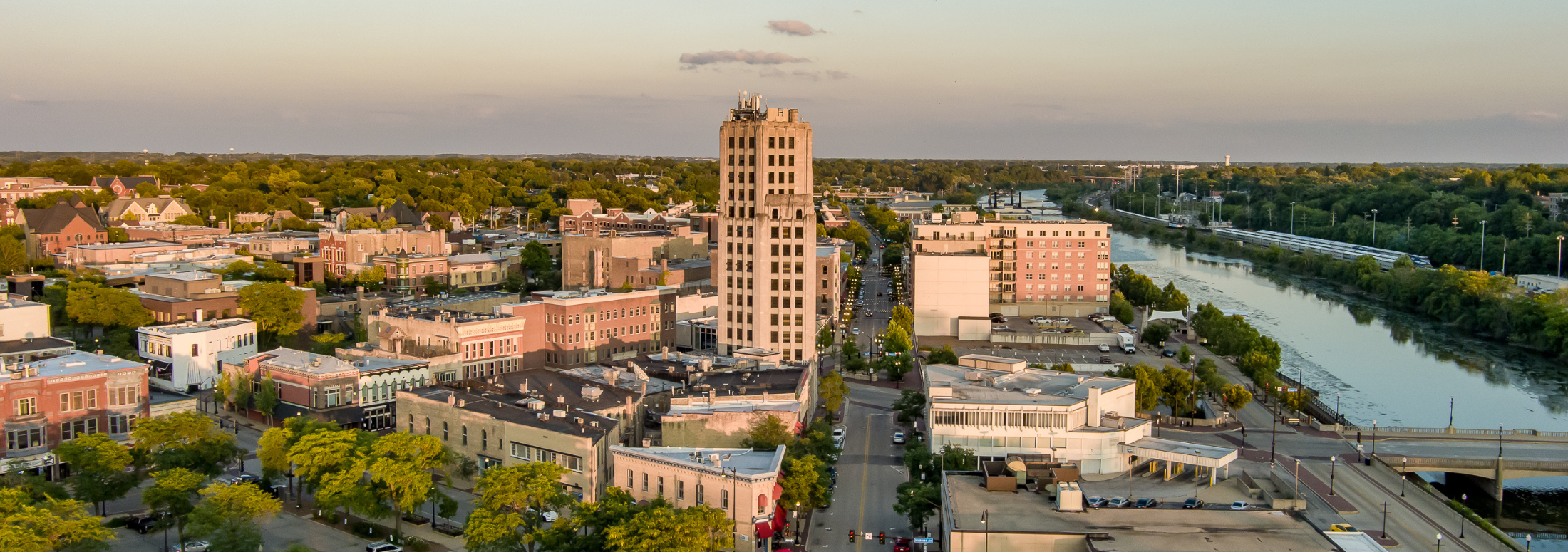
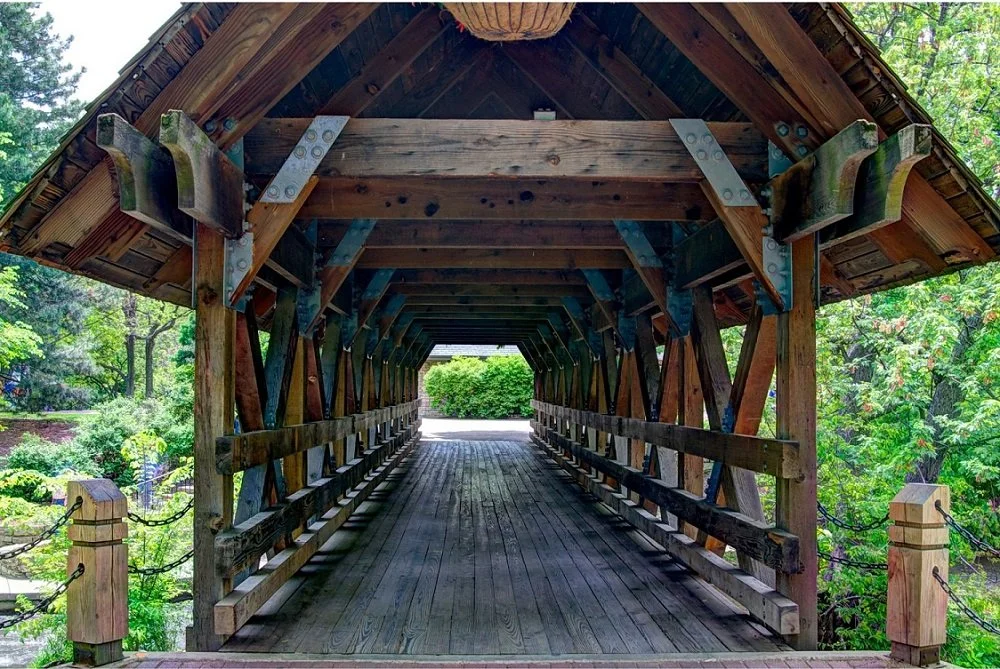 Naperville
Offices and clinics
Naperville
Offices and clinics
 Tri-Cities
St. Charles, Geneva, Batavia
Tri-Cities
St. Charles, Geneva, Batavia
 Elgin
North on 31 and 25
Elgin
North on 31 and 25
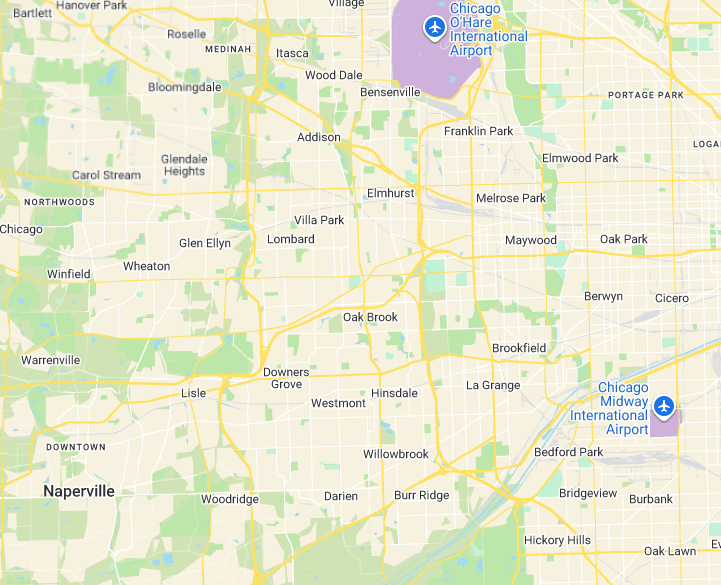 DuPage County
The whole I-88 corridor
DuPage County
The whole I-88 corridor
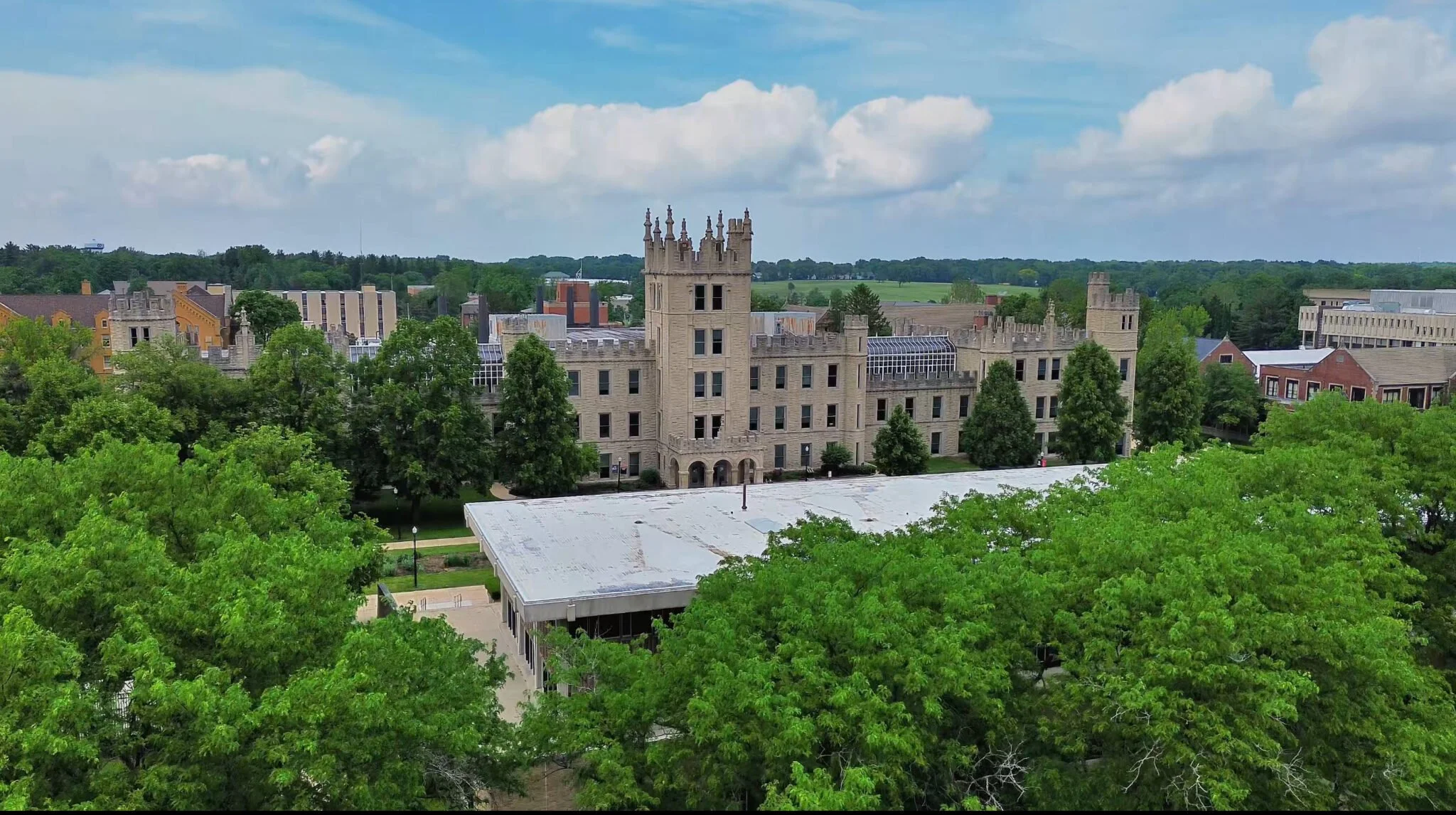 DeKalb & Sycamore
West end of the corridor
DeKalb & Sycamore
West end of the corridor
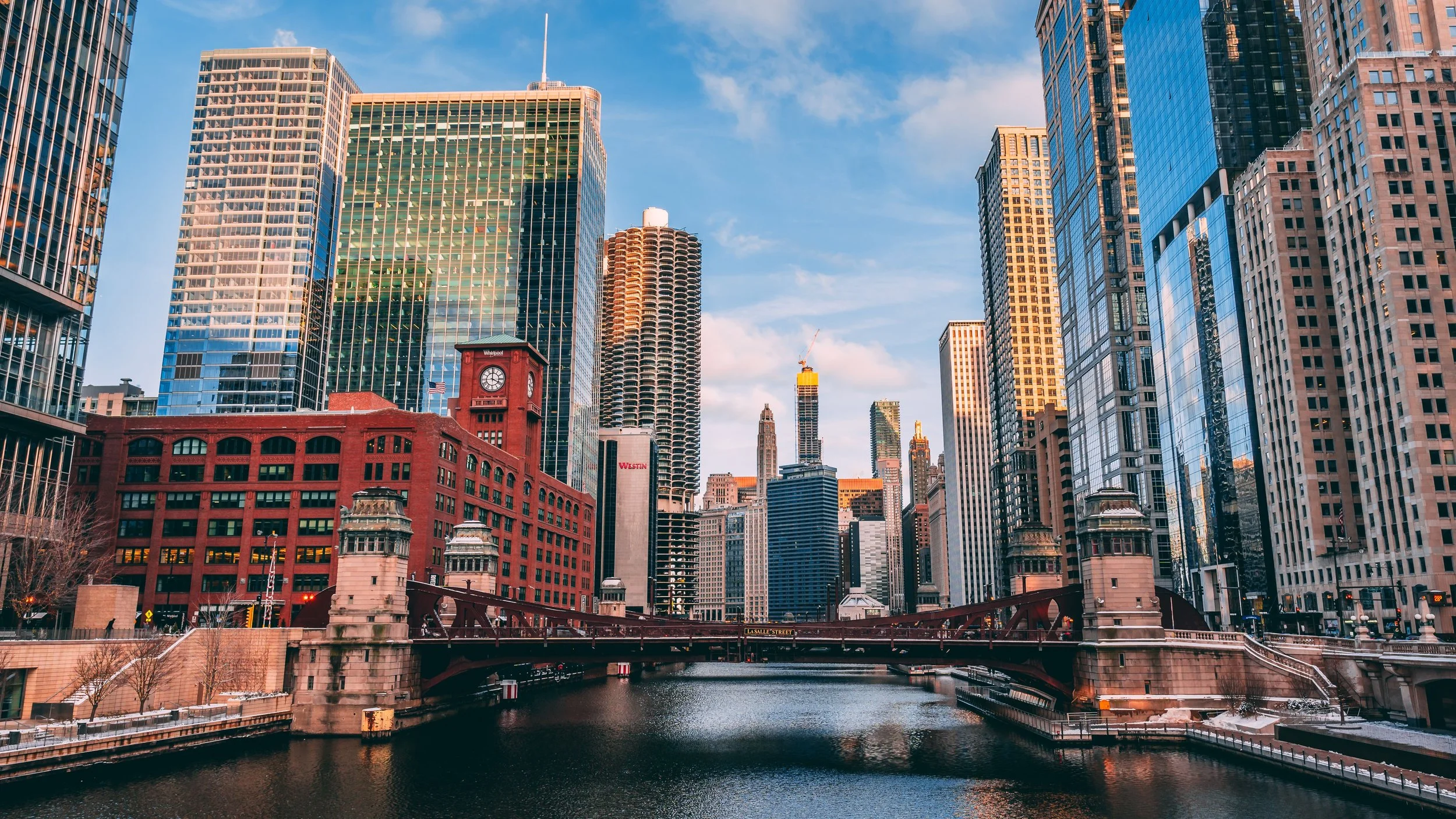 Chicago
City buildings and loop offices
Every city we cover
Kane, DuPage, Kendall, Will and Cook, plus everything unincorporated in between →
Chicago
City buildings and loop offices
Every city we cover
Kane, DuPage, Kendall, Will and Cook, plus everything unincorporated in between →
Straight answers
Is it really free, or is there a catch?
Really free to your building.
We buy the equipment, own it, fill it with our inventory and earn a margin on what sells. Your people pay for what they take, at prices posted on the shelf.
The honest catch is that we need enough traffic for that to work, which is why we walk the building first and sometimes say no.
We already have vending. What happens to it?
Check your notice period before you do anything.
Most are 30 days and many are month to month. We give you a configuration and a timeline before you give anyone notice, so the wall is never empty.
Does it need Wi-Fi or anything from IT?
Nothing. It runs on its own cellular connection.
No credentials, no VLAN, no firewall exception, nothing to approve. Plug it into a standard outlet and it is online.
How long does it take to get one in?
Two to eight weeks from walkthrough to a stocked unit.
The install itself is one visit, scheduled around your hours. Everything before it is configuration, the planogram you approve, and paperwork.
What does it cost the people using it?
Near convenience-store level, posted on the shelf.
No membership, no minimum, no fee for using it, and a receipt emails itself. If you want to subsidize a category or cover coffee entirely, you can. Optional, never required.
Who deals with refunds and complaints?
We do, directly. There is a support number and a refund QR code on the unit.
Nobody at your front desk makes change, hands out a bag of chips as an apology or chases a vendor. That is the part people underestimate until they have lived without it.
Is there cash in it? What about theft?
No cash on site, ever. No coin mechanism, no bill acceptor, no cash box.
The door only unlocks after a card is authorized and the session is tied to that card. Ordinary shrink is priced into our model and is our cost, not a loss your building absorbs.
What can we control about what goes in it?
You approve the planogram before install, and you can change it later.
Categories excluded in writing, allergen considerations, a minimum share of better-for-you options, a district or corporate wellness policy applied line by line. Tell us the six things your people already expect to be there and they stay in the mix.
What happens if it does not work out?
Fourteen days' written notice and we take it away. No fee, no penalty, no restoration cost.
In practice, if usage is low we would rather move or resize the unit than lose the building. Fifty feet toward where people actually walk fixes it more often than you would think.
Still nothing that answers it? Ask us on the contact page and you get a real answer, not a callback script.
Fifteen minutes tells you whether your building is a fit
We walk the room, count the traffic honestly and give you a straight yes or no. No cost, no obligation, and no follow-up campaign if the answer is no.
GrabNGo Markets LLC · Open 24 hours · info@getgrabngo.com