
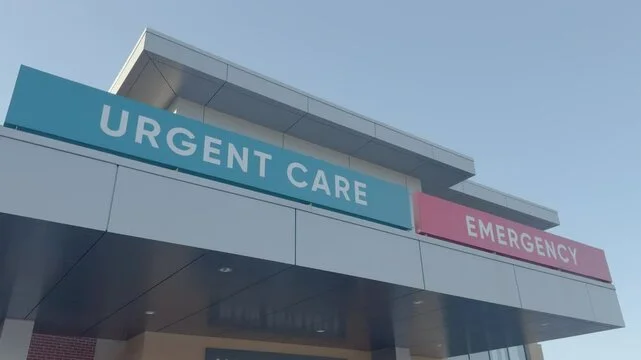
Vending Machines & Micro-Markets for Medical Offices & Clinics
A cashless, sealed, glass-front market for your waiting room or staff lounge. We install it, stock it, service it and insure it at zero cost to the practice, and every patient or staff question comes to us instead of your front desk. Serving the Ogden Avenue and I-88 medical corridor: Aurora, Naperville, Oak Brook, Lisle, Winfield and DuPage.
$0 capital & $0 ongoing · No plumbing, no new circuit · 24/7 access for every shift · Installed in 2–8 weeks
Nobody in a medical building can just run out for a minute
The daughter who drove her father in has been in your waiting room for two hours. She will not leave and lose her place.
Your MA clocked in at 6:40, has a full afternoon panel, and the cafeteria in the next building closed at two.
So both of them ask the front desk, which is a person already scheduling, verifying and answering a phone.
You know your building's version of it. Somebody on your team keeps granola bars in a desk drawer, bought with her own money, because that was easier than saying no again.
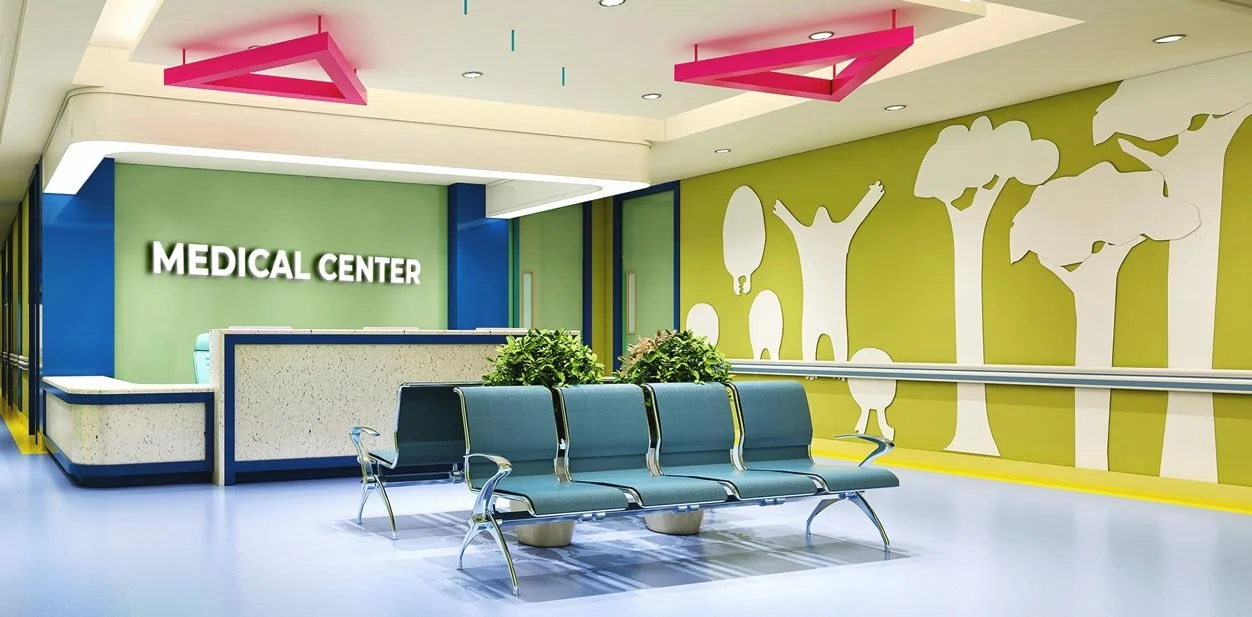
A 2024 nationwide survey of 11,009 patients found 99% waited in the waiting room, averaging 13.3 minutes there and 23 minutes of total waiting, against 18.9 minutes of face time with the physician. More of the visit is spent waiting than being seen.
Nationally, the median time a patient spent in the ED was 161 minutes for the 12 months ending June 2025, down from 163 the year before. That is a median: half of visits run longer.
Whether it is a scheduled appointment or an emergency, waiting is the longest part of the visit. It is also the cheapest part to fix and the only part currently costing you nothing to ignore.
A hungry patient companion
writes the survey comment.
Clinical quality is why they came. The wait is what they describe afterward.
Three people, one unit
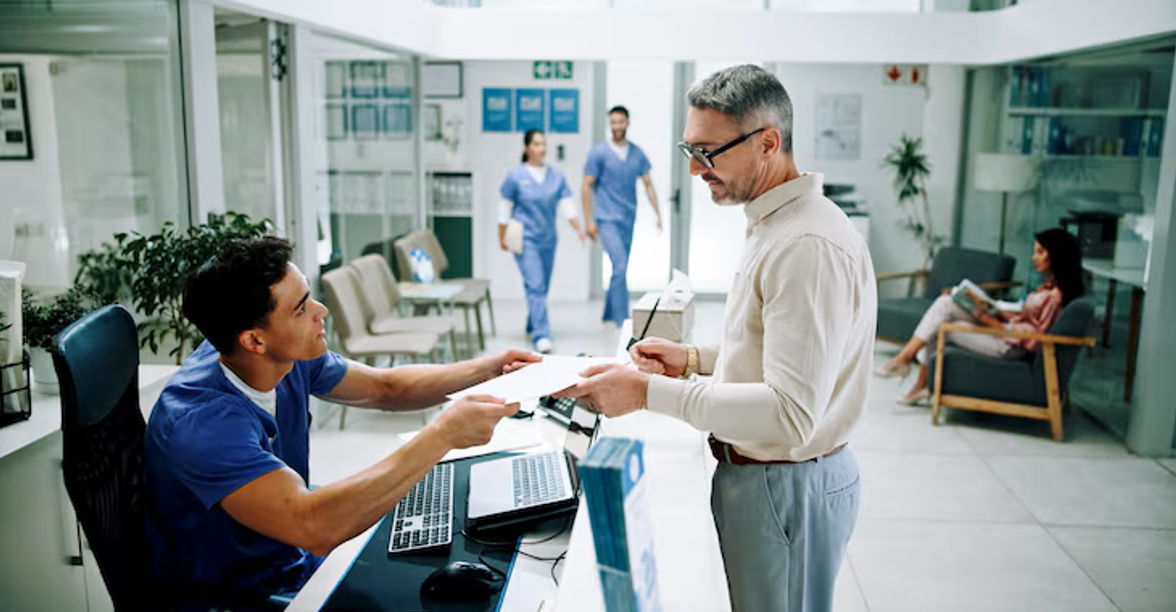
Patients & families
The ones who cannot leave the chair.
The daughter who will not risk losing her place. The diabetic patient waiting on a draw. The parent with a restless four-year-old. The person told to eat something before driving home.

Clinical staff
Ten minutes between patients.
Your MA has ten minutes and no car keys in reach. Your front desk lead eats at 3:15 or not at all. Open at 6 a.m. and at 8 p.m. is a retention detail, not a snack detail.
After hours
Open when nothing else is.
The 8:40 p.m. walk-in with a kid who has not eaten. The weekend imaging tech. The cleaning crew at eleven. It does not keep business hours and nobody has to open it.
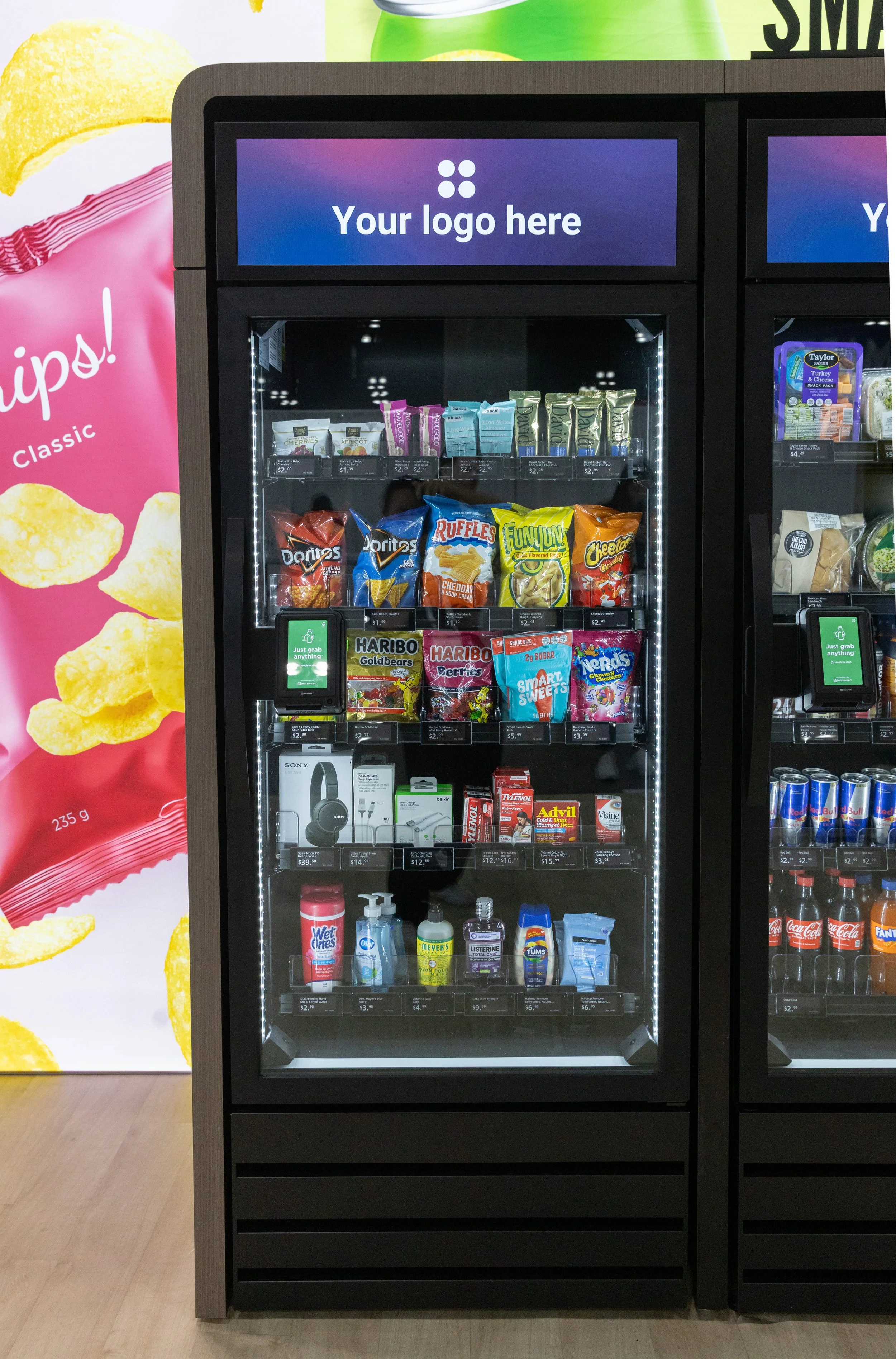
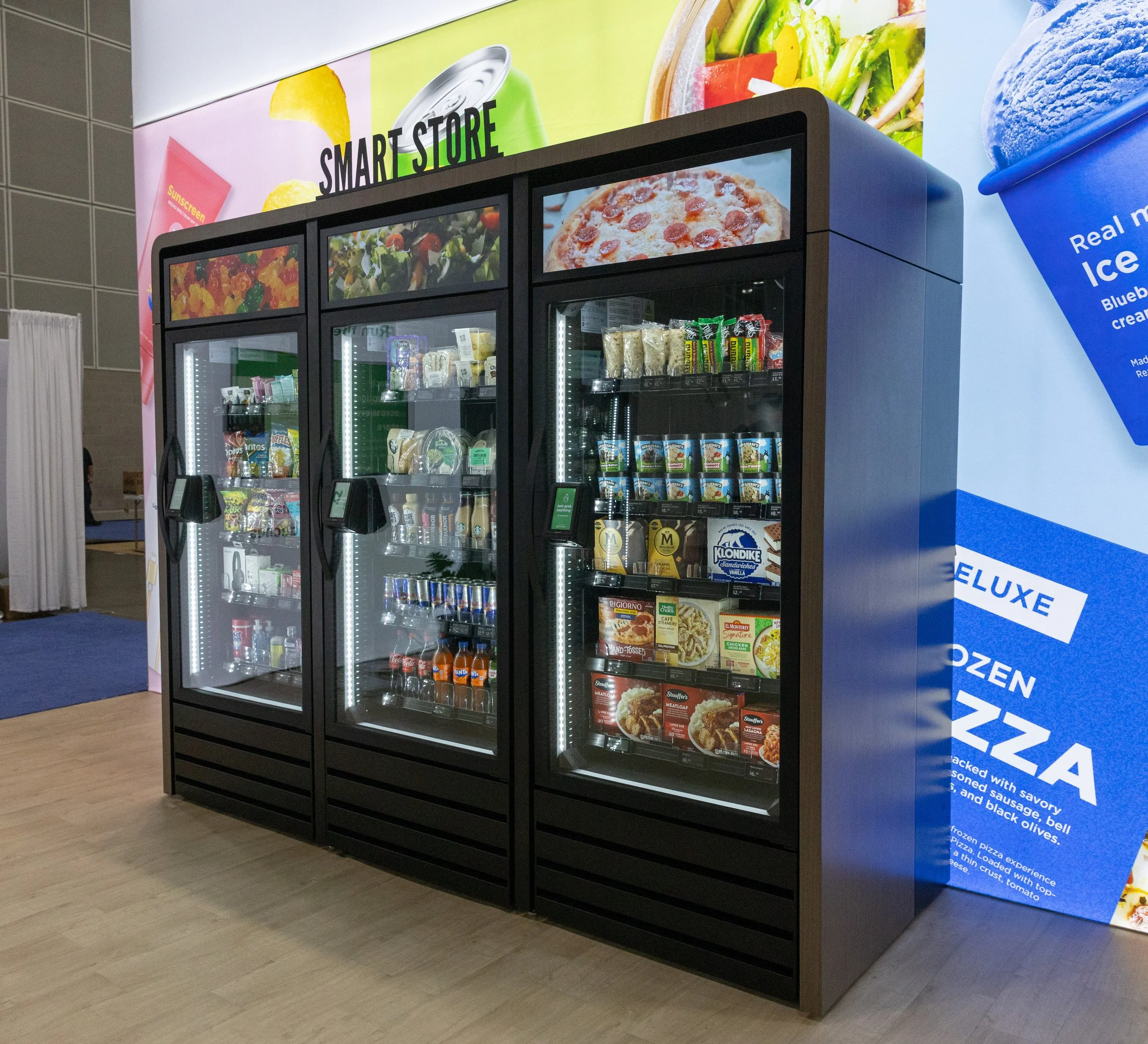
A small store, not a vending machine
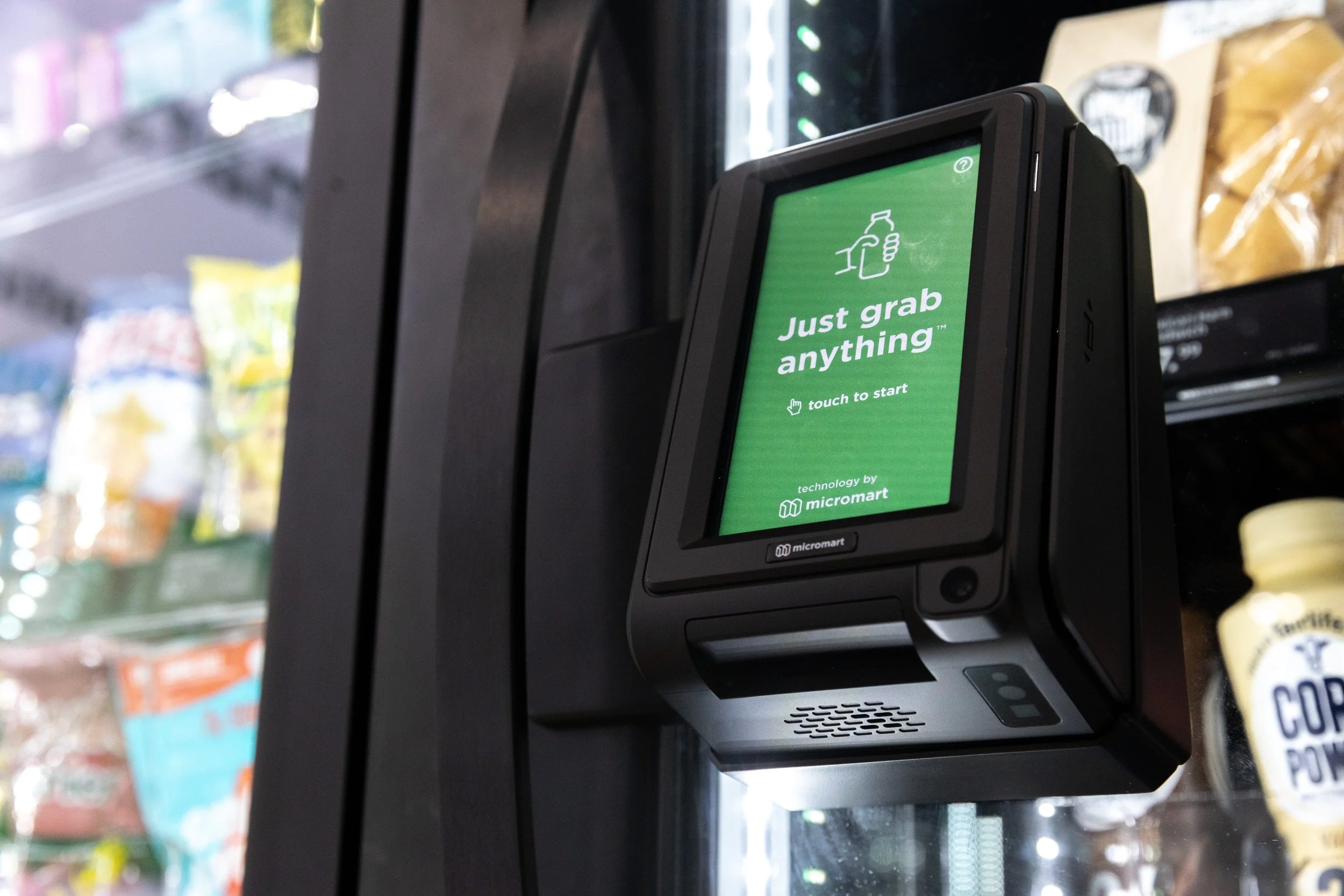
Tap a card, open the door, take it, close it. The charge posts automatically. No coins, no bill slot, no app, nothing for your staff to explain.
- 3–4x the selection of a coil machine, including real food
- Sealed glass-front unit. No open bins, no food prep, no plumbing
- Nothing to jam. People take it by hand
- $0 to the practice. We own, stock, service and insure it
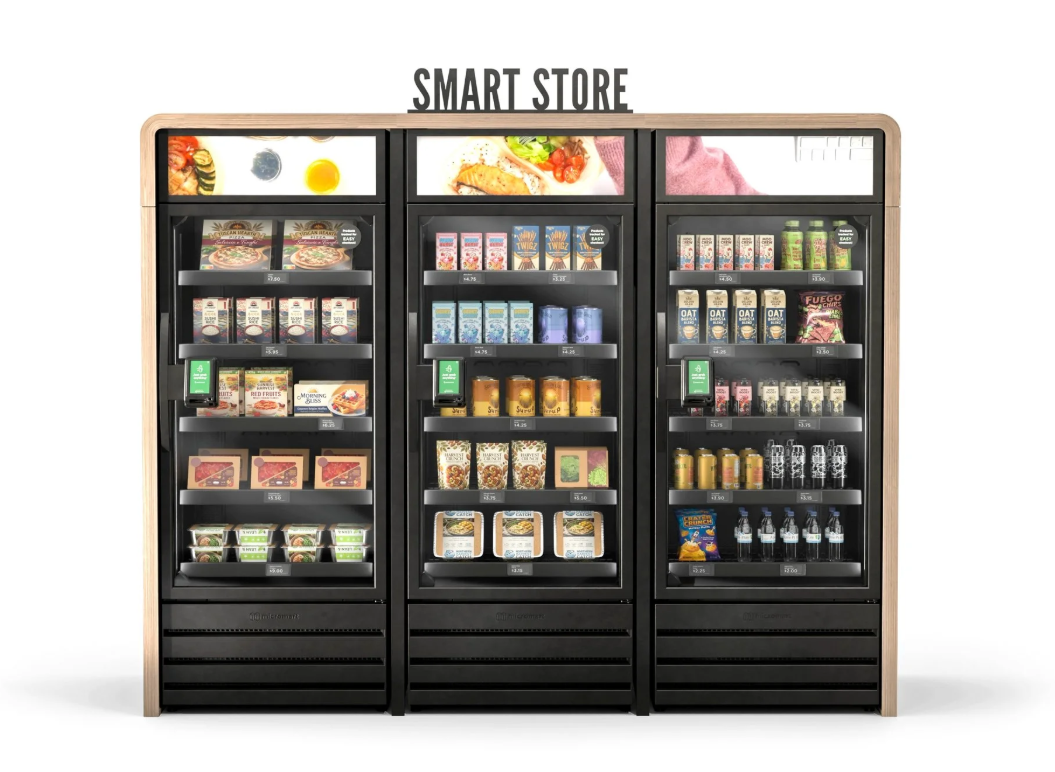
One of these is in your
building right now
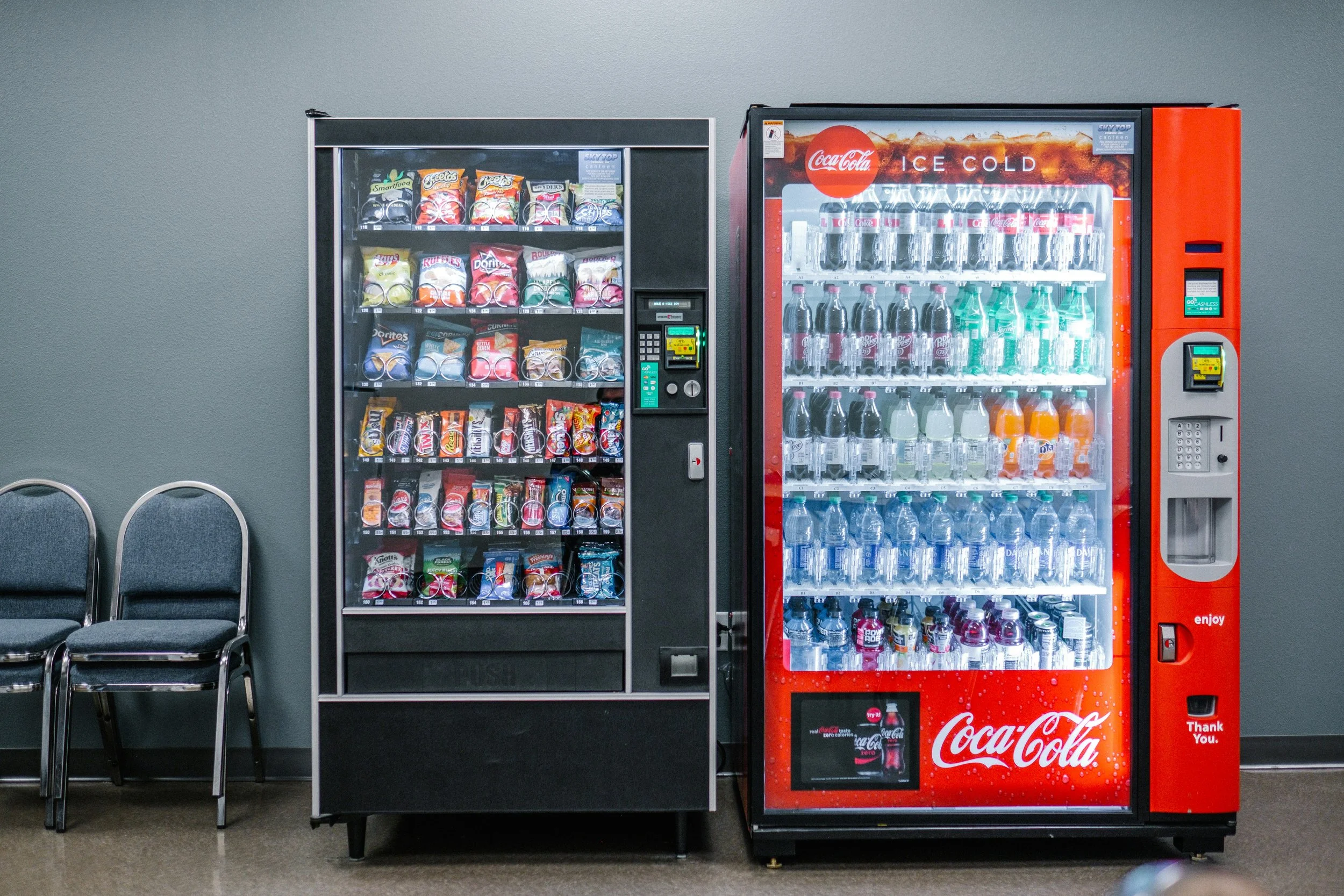
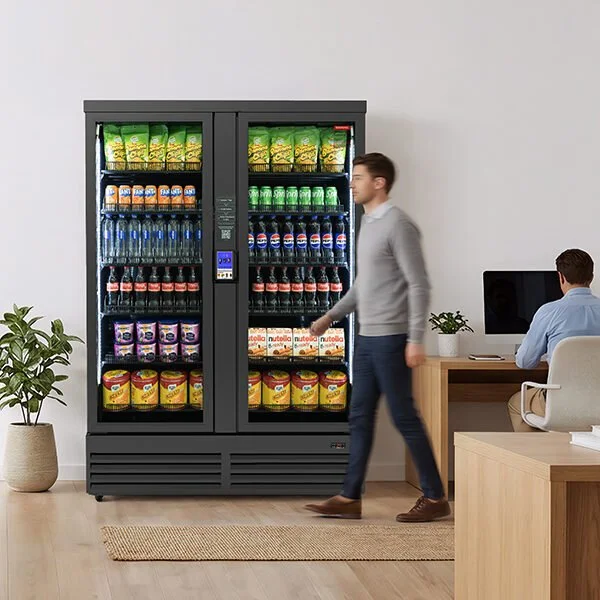
Coils, a bill slot, and a note taped to the front.
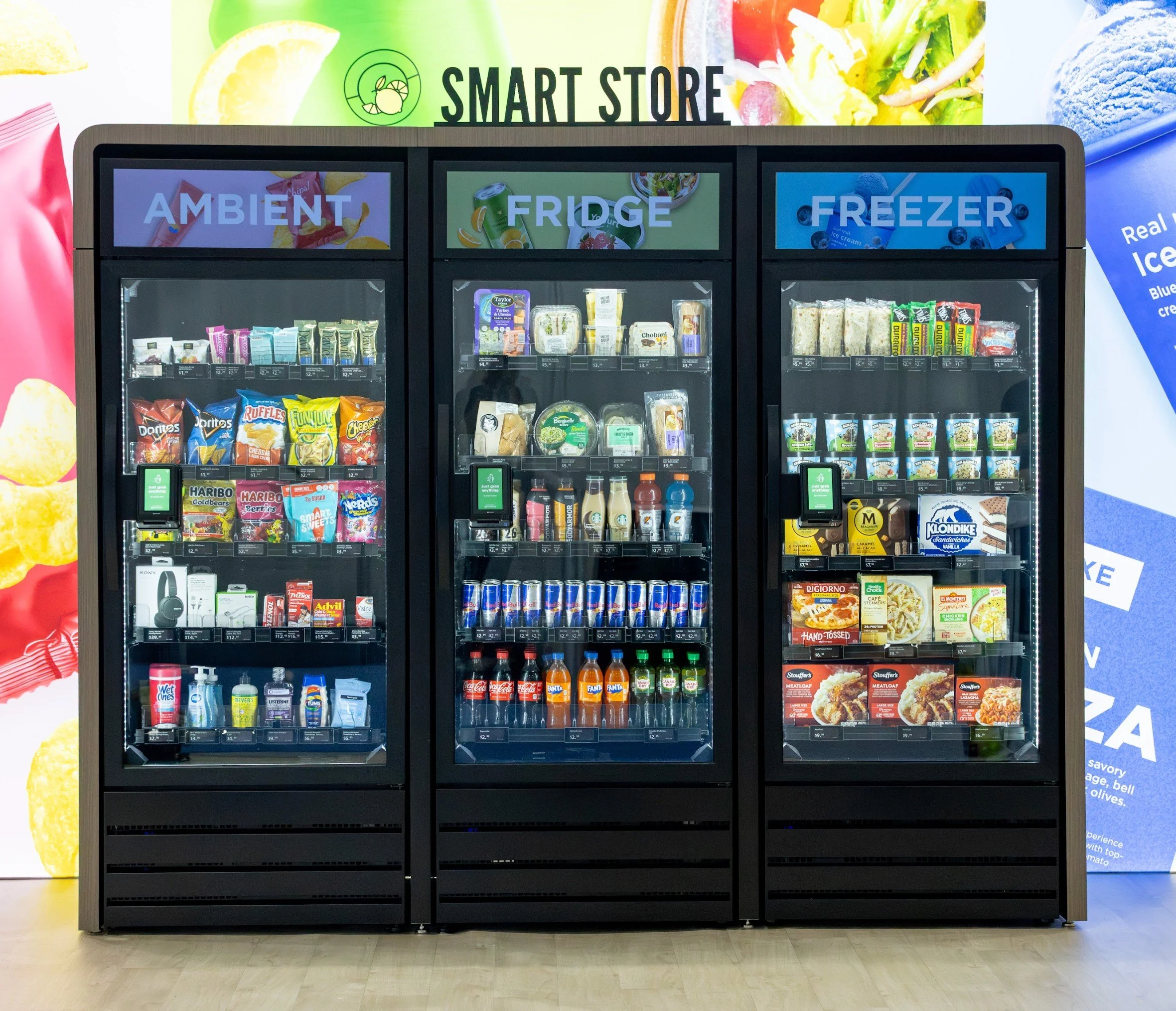
Tap, take, go. Stocked on live data.
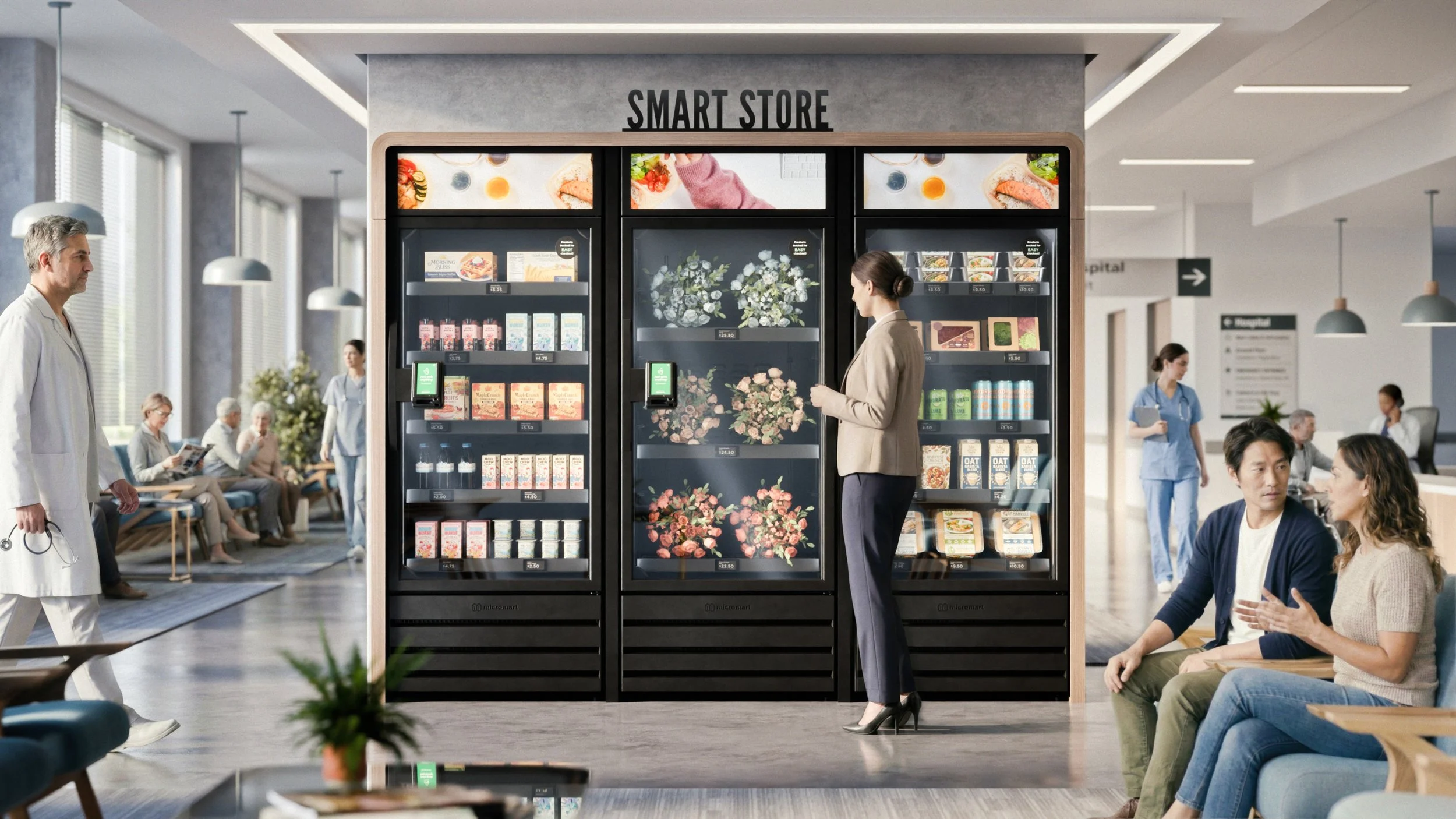
The same waiting room, before and after
Waiting room
Where the two hours happen.

See the full side-by-side comparison
| Vending machine | GrabNGo micro-market | |
|---|---|---|
| Selection | 30 to 40 items, snacks only | 100+ items, including real food and better-for-you options |
| Payment | Cash, coins, maybe a reader | Tap only. No cash on site, no change at the desk |
| Jams | A routine complaint | Taken by hand. Nothing to jam |
| Cleaning | Housekeeping wipes it if they get to it | We clean and sanitize the unit on every service visit |
| Expired product | Found by whoever buys it | Date-rotated by us on a schedule |
| Complaints | Land on the front desk | Come to us. Not your staff |
| Cost to the practice | Varies | $0. Nothing. Ever |
Four numbers your administrator will ask for
Out of your budget
No purchase, lease, install fee or monthly charge. Nothing hits the operating budget, so there is no line item to defend.
Work orders
Nobody on your side stocks it, pulls expired product or resets a reader. Our number is on the unit. Patient and staff issues come to us.
Standard outlet
120V, no dedicated circuit, no plumbing, no drain, no wall penetration, no construction.
Cash on site
Cashless only. No coin box, no change requests at reception, no cash handling in a patient-facing area.
We own the equipment, carry the insurance, absorb ordinary shrink and handle every patient and staff issue directly. Your part is a spot, an outlet, and 15 minutes.
The specs, before you
have to ask for them
If you run the building rather than the practice, you are the person who inherits this thing at 7 a.m. when it is warm and leaking. So here is everything you would otherwise have to pull out of a salesperson.
What your reviewers actually get
Most of the delay on a vendor like us is not the decision. It is waiting on paperwork somebody has to chase. You can have the whole packet before the walkthrough.
- Vendor agreement in plain language, no capital outlay and no ongoing expense
- Certificate of insurance, additional insured on request
- W-9 and vendor onboarding details
- Credentialing: background-checked techs, badge and sign-in compliance, service windows set by you
- 90-day mutual trial, 14-day notice, no fee
- Privacy: the in-unit sensors identify products, not people. No PHI, and no patient or employee data goes to you or to us
If your system or landlord has a standard vendor questionnaire or COI template, send it and we will complete it.
Somebody is doing a Costco run. It should not be your office manager.
The work does not disappear when you run it in house. It lands in pieces you never see on a calendar: a Sunday Costco trip, a trunk full of cases, a stack of receipts nobody wants to submit.
- Ordering and buying product3 hrs
- Hauling and stocking shelves4 hrs
- Receipts and reimbursements2 hrs
- Jams, complaints, work orders2 hrs
- Cleaning and pulling expired items1 hr
- Vendor calls and coordination1 hr
A day and a half of somebody's month, on snacks, in a building where that person's job is patients.
- Ordering and buying product0
- Hauling and stocking shelves0
- Receipts and reimbursements0
- Jams, complaints, work orders0
- Cleaning and pulling expired items0
- Check-in with us on how it's going~1 hr
Not zero, and we won't pretend it is. A few short messages when something needs your call, and one monthly check-in. The walkthrough at the start is 45 minutes, once.
The machine tells us before a patient does
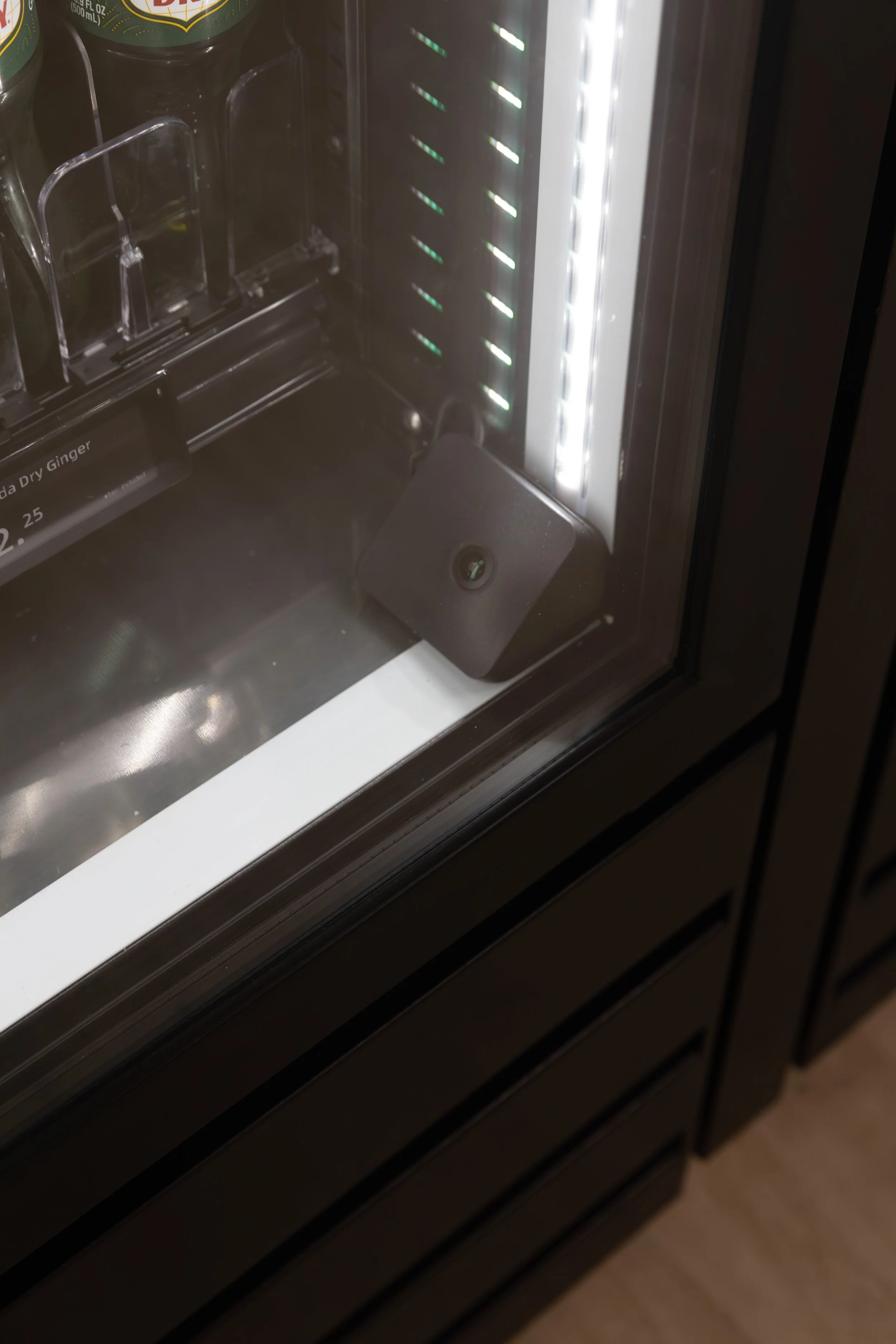
Sensors look at the shelf
Not at the room, and not at anyone's face. They identify which product left, so the right item gets charged. 99.5% product recognition, 99.9% payout accuracy.
Live inventory
Stock levels and temperature report remotely, so we restock around what your building actually buys down. Not a route day, and not after somebody complains at the desk.
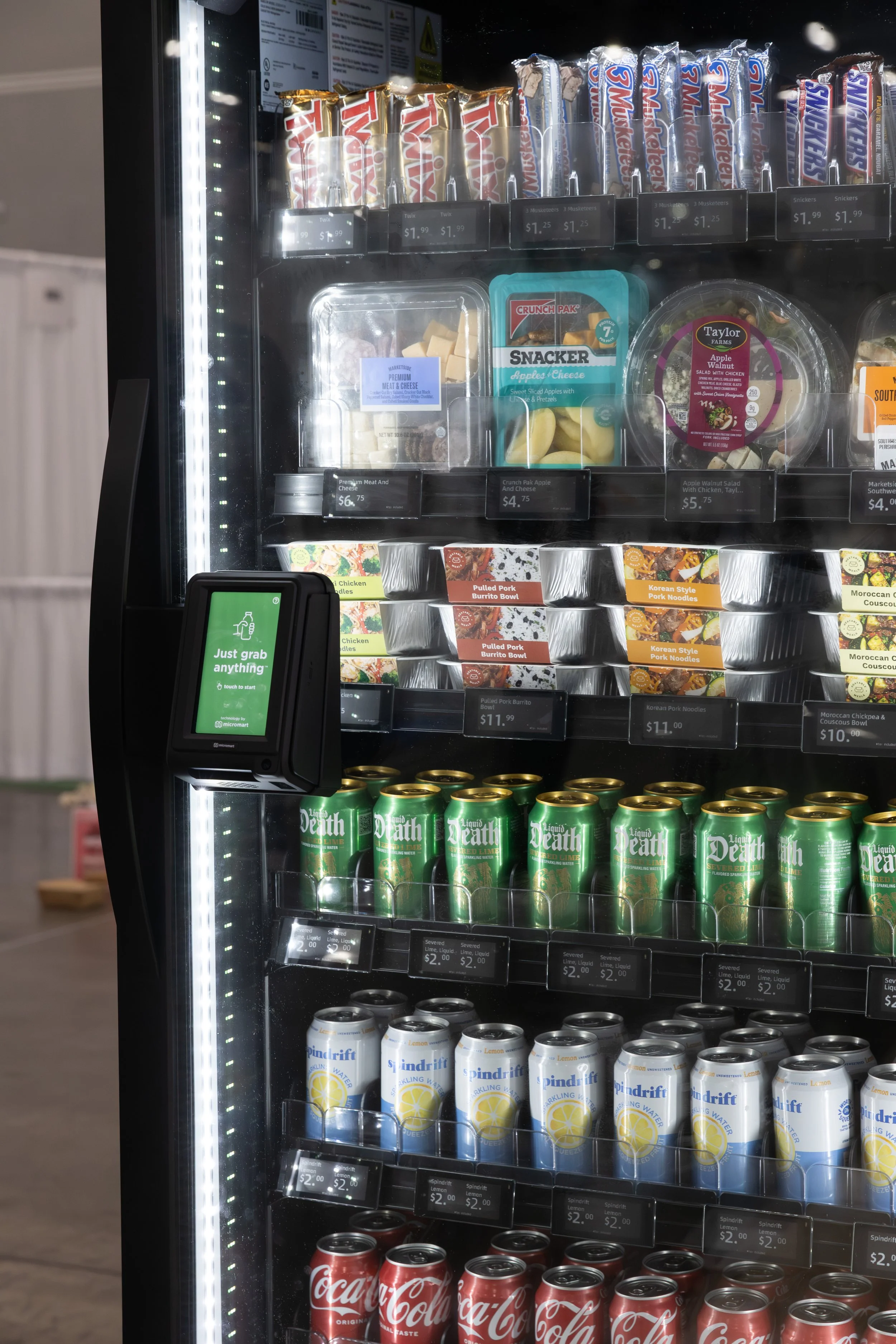
Locked to a card
The door opens only after a card is authorized and the session is tied to it. Ordinary shrink is our cost, not the building's.
Where it goes in a medical building
Placement decides whether a market works, so we pick the spot at the walkthrough and you approve it.
Usually the right wall is the one you walk past without seeing anymore: the blank stretch by check-in, or the corner of the lounge where the broken microwave used to be.
- Waiting room or lobby. Companions on long waits, and the first thing a patient sees
- Staff lounge. The ten-minute break, and the 6 a.m. and 8 p.m. shoulders
- Infusion, dialysis and imaging. Long dwell times, and patients told to eat afterward
- Shared lobby of a multi-tenant MOB. One unit, every suite in the building
From you: floor space, a standard outlet, internet. That is the list.
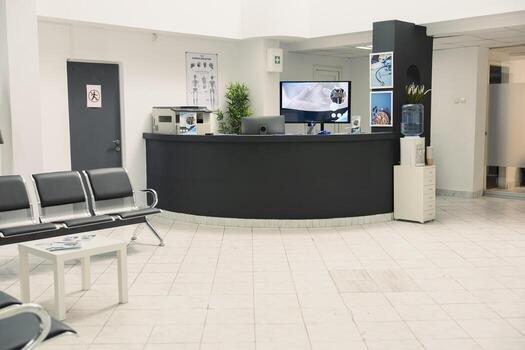
We know which buildings these are
Not a national route map with your city dropped into it. This is the stretch of road we are on most weeks.

Ogden Avenue, Aurora
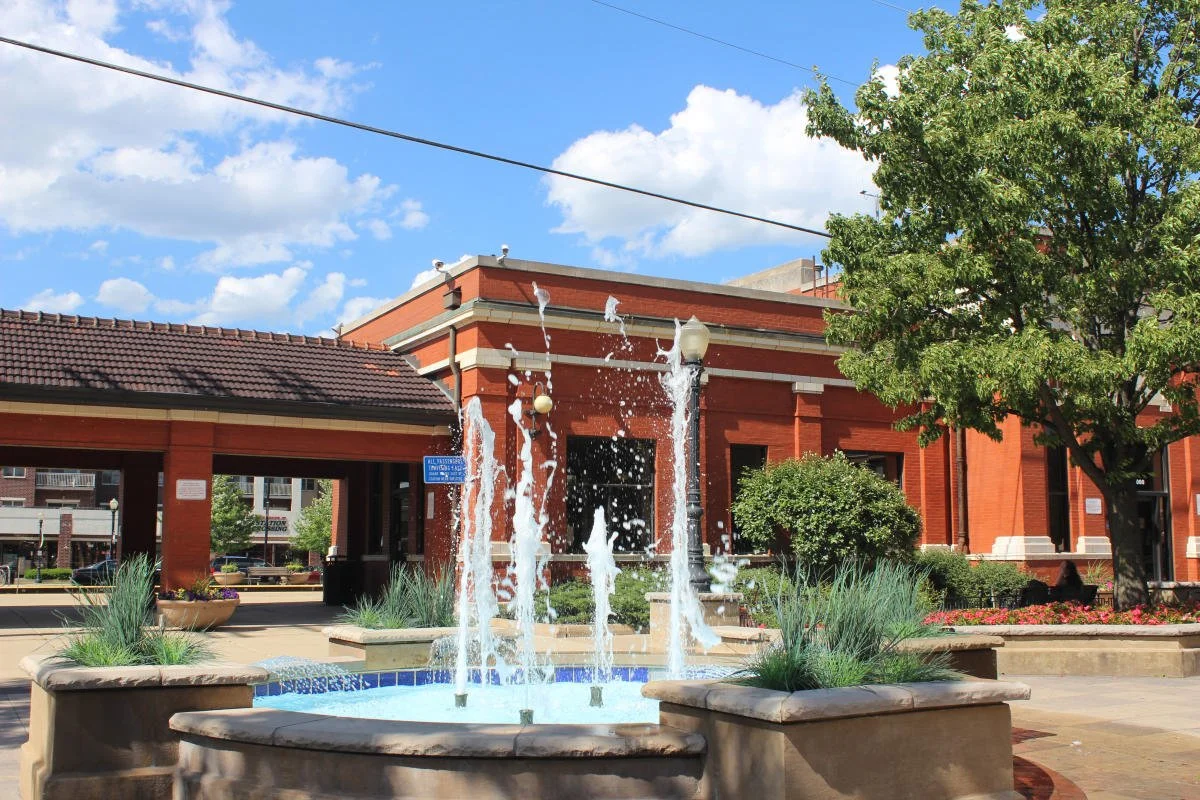
US-34, the densest medical stretch we cover. The Rush Copley campus at 2000 Ogden anchors it, with two physician office buildings, then independent practices running east toward Naperville.
Naperville & Route 59
75th Street, Ogden and the Route 59 corridor: primary care, imaging, dental, ortho and urgent care in low-rise buildings with a break room and no cafeteria.
I-88 & east DuPage
Butterfield Road and the 22nd Street cluster in Oak Brook, Downers Grove, Lisle and Winfield, where the nearest food is a drive.
Named as geography, not as clients. These are the corridors we cover; we do not claim any facility on this page as a customer.
If your building fits, we'll tell you.
If it doesn't, we'll tell you that too.
Dwell time decides it as much as volume. A four-provider infusion suite can work better than a bigger practice that turns rooms over in fifteen minutes. A half-empty market with our name on it helps neither of us.
One owner, one phone number
Independent and owner-operated out of Aurora. Not a route company, not a franchise, not a territory somebody bought.
When you call the number on this page, you get the person whose name is on the LLC. When something in your building is warm, dark or empty, you get that same person, usually the same day, because Aurora to Oak Brook is a drive we make anyway.
We are early in building our footprint here, and we would rather say that than pad a page with logos you cannot verify. What we put in writing is the service standard, the insurance, and an exit that costs you nothing.
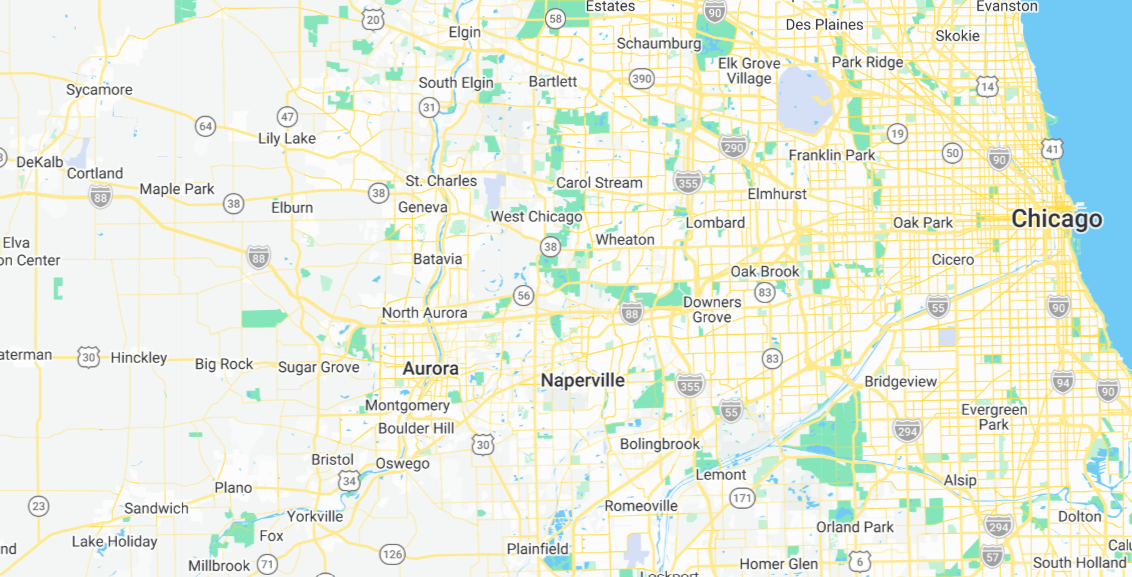
Aurora · Naperville · Elgin · Tri-Cities · Chicago · Full service area
Medical office vending FAQ
What does it cost the practice?
Nothing. No purchase price, lease, installation fee, stocking cost or monthly charge. GrabNGo owns the equipment, carries the insurance and earns its margin on what sells. Your contribution is floor space, a standard outlet and a short walkthrough. Patients and staff pay for what they take, at prices we keep in line with a nearby convenience store.
Will this create work for our staff or for facilities?
No. We stock it, clean and sanitize it, rotate product by date and service the hardware. Patients and staff contact us directly through the support number and refund QR code on the unit. Status and temperature are monitored remotely, so most problems are visible to us before anyone reports them. Nothing routes through your front desk or your work order system.
Are the cameras recording patients? Is there any HIPAA exposure?
No. The sensors are inside the unit and look at the shelf, not at the room, to identify which product was taken so the right item is charged to the card that opened the door. They are not a surveillance system, they are not aimed at your waiting area, and no facial or identity data is captured. We receive no patient information of any kind, we do not connect to any of your systems, and there is no PHI in scope. What we see is inventory and card transactions.
What are the electrical, plumbing and code requirements?
A standard 120V grounded outlet, no dedicated circuit and no extension cords. No plumbing at all, because refrigeration is self-contained. The unit is placed clear of the required egress path and corridor clear width, with approach and reach kept within ADA clearances, and we confirm that with you at the walkthrough. Because it is a sealed, freestanding appliance with no food prep and no open bins, it does not add a food service or plumbing item to your inspections. If your facility has a specific code or accreditation requirement, tell us and we will design around it.
Do your technicians need credentialing or badges?
We work to your rules. Our people are background checked, sign in at your desk, wear a badge and can be escorted if your policy requires it. Service can be scheduled outside clinic hours, through the loading dock or freight elevator only, or in whatever window your facilities team sets. It is the same faces each time, not a rotating route driver.
Can we control what gets stocked? Our patients have dietary needs.
Tell us what your building needs and we build the mix around it, including lower sugar, lower sodium, diabetic-friendly, gluten-conscious and common allergen-conscious options, plus real food rather than a candy wall. A medical waiting room gets a very different mix than a warehouse, and that is intentional. Final selection stays with GrabNGo because we carry the inventory cost and the spoilage risk, but in practice the mix ends up shaped almost entirely by what your patients and staff buy.
Is there a contract? Other companies advertise "no contract."
Yes, and we would rather explain it than pretend otherwise. We are placing our own equipment and inventory in your building at our cost, so the agreement protects that investment and puts our service obligations in writing for you. What matters is the exit: a 90-day mutual trial with 14-day notice and no fee. If it is not working for either side, it ends quickly and cleanly, and we take the unit out with no restoration cost to the building. Read the terms before you sign anything, ours included.
Does our practice qualify? We are not a hospital.
Most of what we place is in medical office buildings, clinics, urgent care and outpatient centers rather than hospitals. Daily foot traffic matters more than the size of the practice, and dwell time matters as much as volume: infusion, dialysis, imaging and orthopedics often work better than a fast-turnover clinic with the same headcount. We will tell you at the walkthrough whether it works, and we would rather decline than install a market that sits half empty.
We already have a vending company. What now?
Check your existing agreement for its notice period and whether it grants exclusivity, and if you lease your space, check whether the landlord controls common area vending. Most agreements allow an exit with written notice and many are month to month. We can walk the building and give you a configuration and timeline before you give notice, so there is no gap between the old machine leaving and the new market going live.

Fix the waiting room and the staff lounge in one install
A free 15-minute walkthrough tells you whether your building is a fit. No pressure, no obligation, no cost either way.
- Walkthrough. 15 minutes, scheduled around clinic hours. Straight yes or no.
- Sign. Plain-language agreement, insurance certificate, credentialing paperwork.
- Install. Two to eight weeks. One visit, off-hours if you want it.
- Ongoing. Monitoring, restocks, date rotation, refunds. All ours.
Prefer email? info@getgrabngo.com · How it works · FAQ · All industries