
Back-to-School Staff Break Room Ideas That Don’t Require a Bigger Budget

Every August, someone gets handed the staff room. Usually it is the office manager, an assistant principal, or whoever took care of it last year. The room needs to feel welcoming by the first institute day, and the budget for it is the same as last year, if there is one at all.
Most of what makes a break room feel cared for costs very little. The list below mixes free and almost-free wins with one upgrade that quietly solves the part nobody ever budgets for, which is keeping the room stocked long after the first week of September.
- Most of the list is free. A kudos board, donated seating, and a tiered coffee cart cost time, not money.
- Snack baskets fade by October. One-time donations do not survive a full school year.
- A serviced micro market costs the school nothing and restocks itself all year, with no purchase order and no fundraiser.
- Staff-only lounges are not bound by Smart Snacks rules, so the product mix can be what adults actually want.
Why the staff break room matters more at the start of the year
The first three weeks are the longest days on the calendar. Room setup, new rosters, curriculum night, and a building full of people learning where everything is. Passing periods are short and staff lunch is often a twenty minute window between duties.
The break room is frequently the only place a teacher or paraprofessional actually sits down during that stretch. A room that is clean, stocked, and pleasant hands back a few real minutes of rest, which is a small thing people notice and remember.
There is a practical reason to do this work in August too. Whatever you set up before the first bell tends to run all year. Whatever you postpone to September usually never happens.
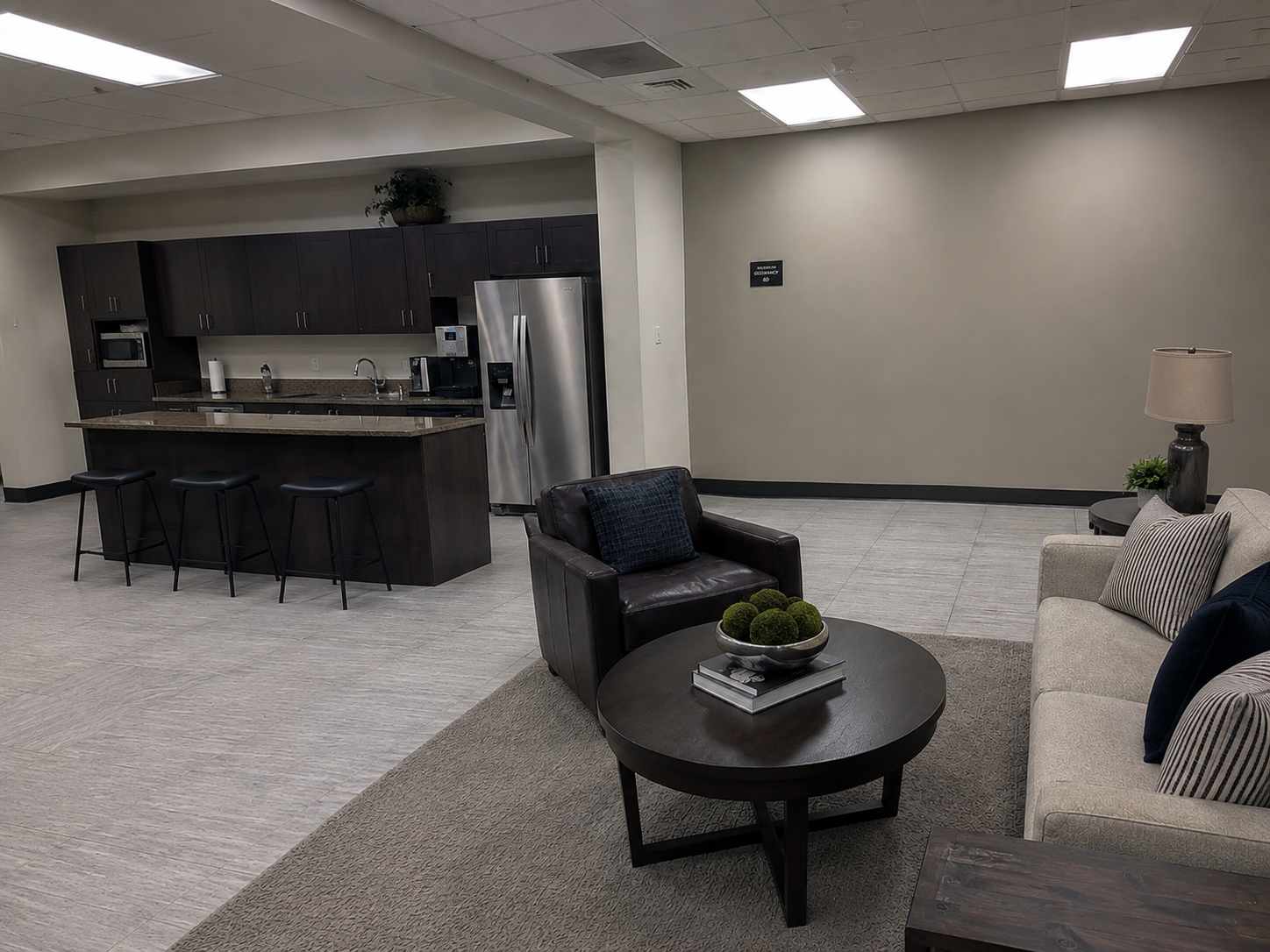
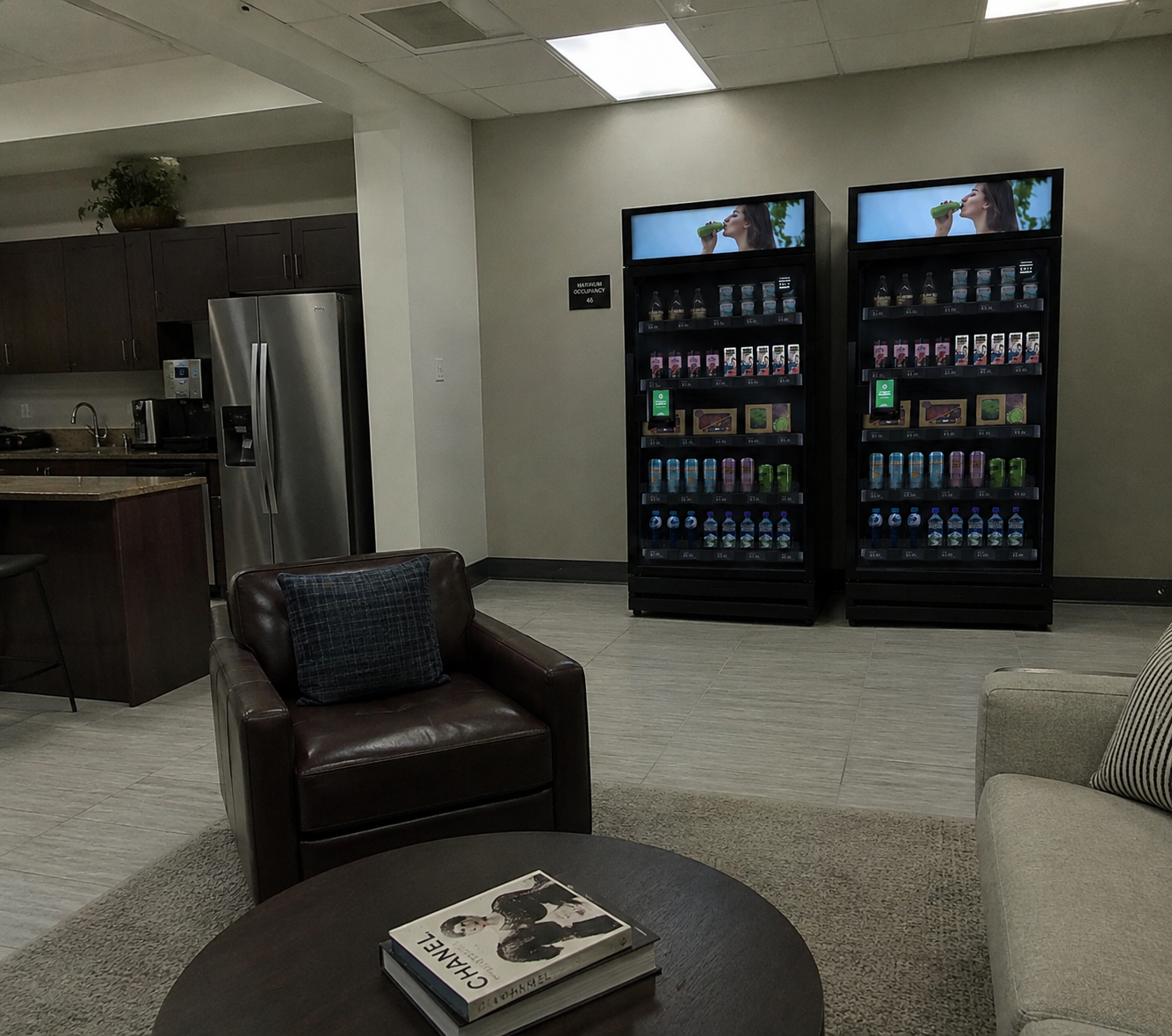
These mockup images were generated with AI to illustrate placement. They are not photos of a specific school.
Free and almost-free wins
1. A staff kudos board that someone owns
A cork board, a stack of index cards, and a marker on a string. The only thing that makes it work is ownership. Put one person's name on it, ask them to clear it every Friday, and start it yourself with three specific notes so the first person to look at it sees something real.
- Name the person and the thing they did. Vague praise dies fast.
- Keep cards where people already stand, next to the coffee or the microwave.
- Photograph the board once a month for your staff newsletter.
2. Paint, decals, or a gallery wall built from what you already have
One accent wall changes a room more than any piece of furniture, and a gallon of paint plus a Saturday from two volunteers is usually the entire cost. If paint is not allowed, framed student artwork, retired sports photos from the trophy case, or a printed campus map do the same work for the price of frames from a resale shop.
3. Donated seating and storage, requested specifically
Broad donation asks get you a broken armchair. Specific asks get you what you need. Post the list, with dimensions, in your PTO or PTA newsletter in early August while families are already buying supplies.
- Two upholstered chairs, wipeable fabric, under 30 inches wide
- A rolling cart with two shelves for the coffee station
- Labeled bins so the counter stops collecting loose supplies
- A small lamp, because overhead fluorescents are half the problem
Before you buy anything: walk the building first. Most schools already own a folding table, a spare bookshelf, and two decent chairs sitting in a storage room or a vacated classroom. Furniture already on the inventory does not need approval to move.
Low-cost coffee and snack station upgrades
4. Build the coffee station in tiers
A coffee corner falls apart when everything sits in one pile. Split it across a cart so the flow is obvious and the counter stays clear.
- Top: brewer, mugs, a small tray for spills
- Middle: coffee, tea, sweeteners, and shelf-stable creamer in labeled jars
- Bottom: backup supplies, filters, and paper towels so nobody has to hunt
5. A rotating snack basket with a real owner and a real refill day
Snack baskets almost always work in August and disappear by October, because the funding was a one-time donation and the refilling was nobody's job. If you run one, assign a refill day, keep it to four or five items people actually eat, and be honest that it is a short-term morale boost rather than a year-round system.
6. The one upgrade with no budget ask: a free micro market or vending service
Everything above improves the room. None of it solves the recurring problem, which is that a staff room with no food or drink in it by mid-October is the norm, and there is no line item to fix that. This is the one idea on the list that runs on its own after installation day.
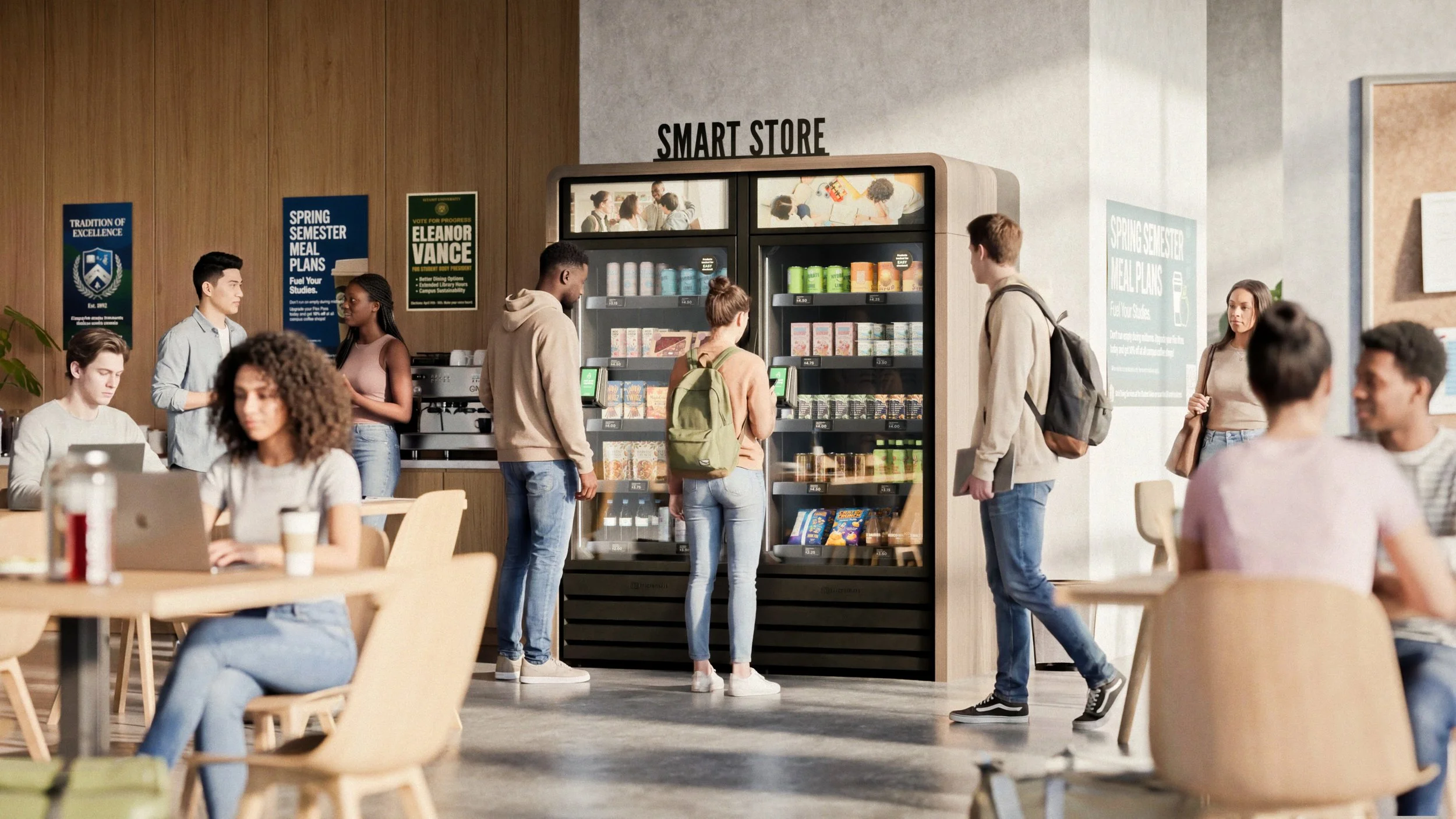
This mockup image was generated with AI to illustrate placement. It is not a photo of a specific school.
What a micro market is, and how it differs from a vending machine
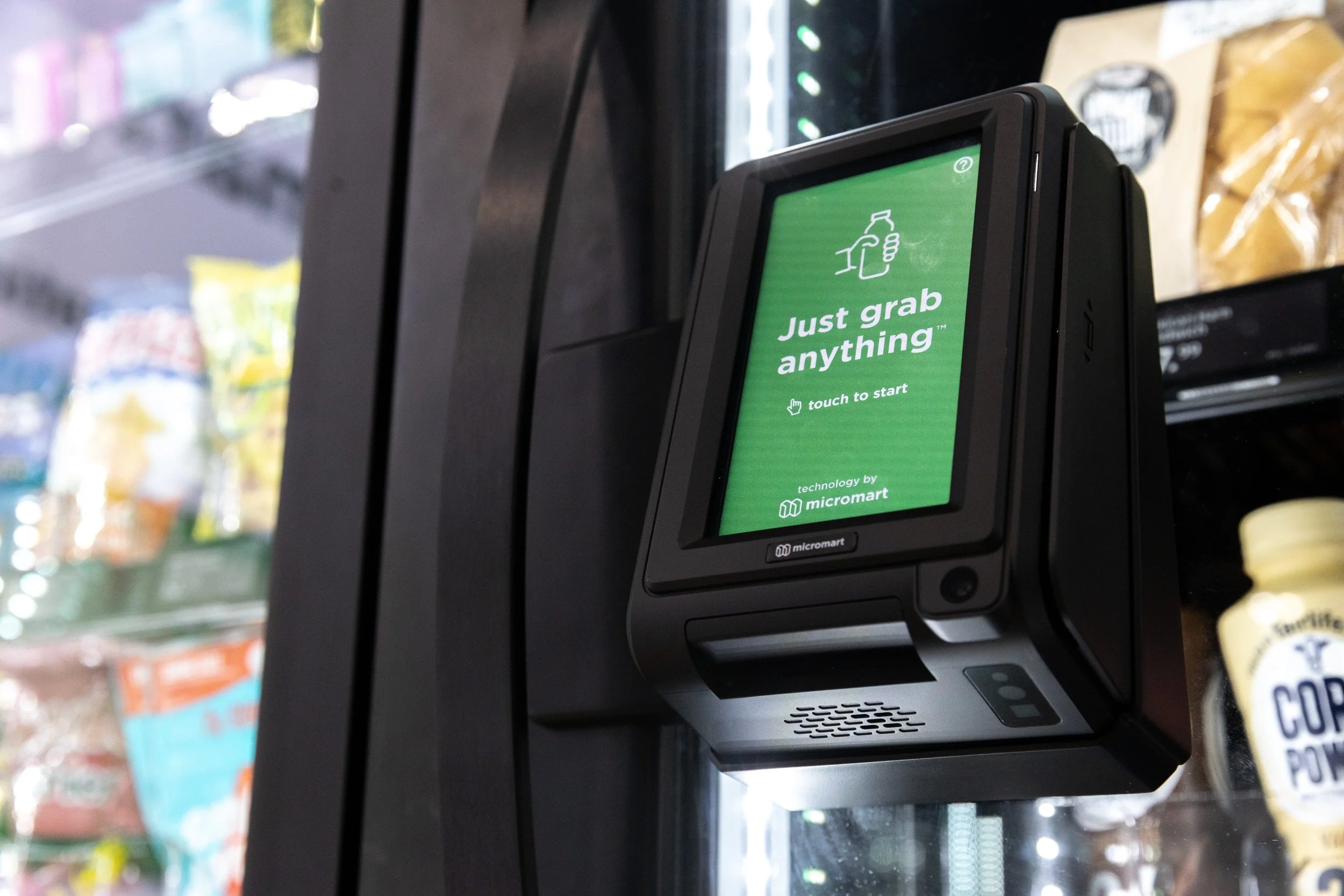
A vending machine is one enclosed unit with coils and a limited planogram. A micro market is a small self-serve setup, usually open shelving and glass-front coolers with a self-checkout kiosk or a tap-to-pay smart cooler. It holds several times the selection and lets staff see and handle the product before they buy. Some staff rooms fit a market. Others only have wall space for a single unit. Both work, and both are stocked and serviced by the vendor. Here is the full walkthrough of how it works.
Why there is no purchase order and no fundraiser
This is the part that surprises people who assume it is a capital request. With a full-service provider like GrabNGo, the school does not buy the equipment or the inventory.
- The vendor owns, installs, insures, and services the equipment
- The vendor buys and restocks all of the product
- Staff pay for what they take, by card or phone, with no cash on site
- Product questions and refunds go to the vendor, not to your front office
In practice that means no purchase order, no bid packet for a capital purchase, and no PTO fundraiser standing between you and a stocked room. For the full breakdown of installation and service, see our school vending and micro market solutions page.
Staff lounges are not bound by Smart Snacks rules
Federal Smart Snacks nutrition standards apply to food and drink sold to students during the school day. National PTA's implementation guide lists teacher lounges among the settings those standards do not cover, and USDA guidance ties the rule to items sold to students in student-accessible areas.
So a staff-only room can carry the full range of drinks and snacks adults actually want. Two caveats worth checking: the room needs to be genuinely staff-only rather than a space students pass through, and your district wellness policy may set its own standard that goes further than the federal rule. Read the USDA Smart Snacks overview and the National PTA guide, then confirm with your district.
It restocks itself in February, not just in August
A donation-funded snack basket is a one-time gesture. A serviced market is a standing one. Units report what sold and what is running low, so restocking is scheduled against what your building actually buys instead of a fixed route day. That is the difference between a break room that feels great during the first week of school and one that still has cold drinks in it during state testing.
Making it feel local: what this looks like in a Chicagoland school
Chicagoland schools have a few constraints that generic break room advice ignores. Lunch periods are short and staggered, so a plan that assumes anyone has time to leave campus does not survive contact with a Tuesday. Many buildings run split shifts and after-school programs, which means people are in the building well past the last bell with nothing open nearby.
Campus layout matters too. A North Shore high school with three wings and a fieldhouse has a different problem than a two-story elementary in the western suburbs. On a large campus, one break room usually means half the staff never gets to it, and a second small setup near the far wing does more good than upgrading the main lounge twice.
Funding patterns are consistent as well. Local PTOs and PTAs are often glad to cover the visible extras like paint, chairs, and appreciation week, but ongoing food and beverage service is rarely something they want to sign up for month after month. Splitting the work along that line, volunteers on the one-time items and a vendor on the recurring ones, tends to hold.
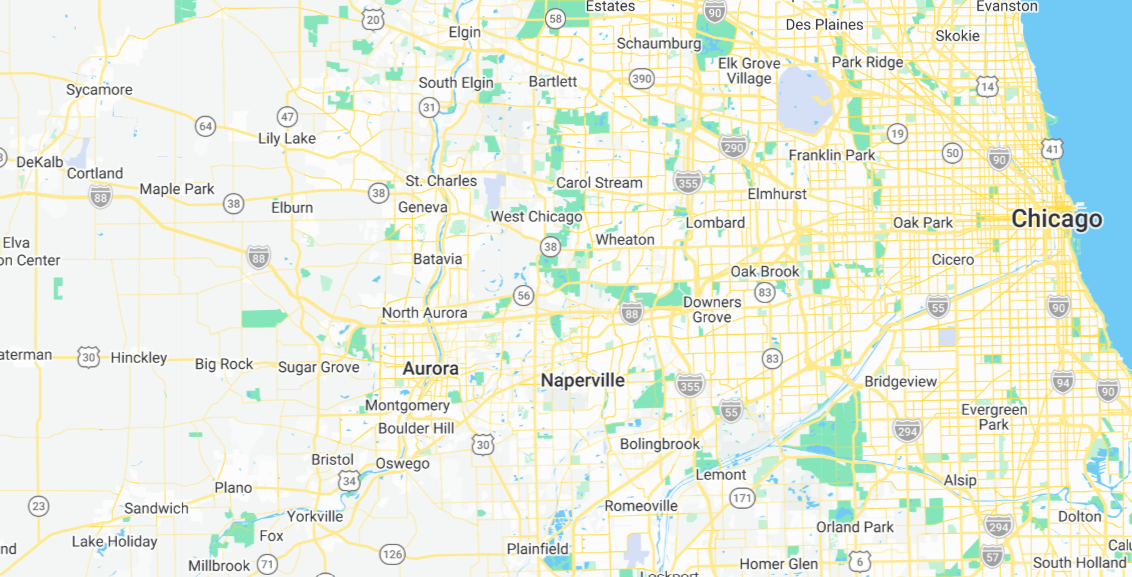
The timing argument is simple. We already service buildings across Chicagoland, so a site walk in early August is realistic before the first day of school. See how it works for Chicagoland schools.
Quick back-to-school staff room checklist
| Idea | Cost | Who handles it | Lasts |
|---|---|---|---|
| Staff kudos board | Free | One named staff owner | All year, if refreshed weekly |
| Accent wall or gallery wall | Under $75 | Volunteers, one Saturday | Years |
| Donated seating and storage | Free | PTO or PTA request list | Years |
| Tiered coffee station | Low, often donated | Office staff | Needs a supply owner |
| Rotating snack basket | Ongoing donations | Volunteer refill day | Weeks, usually |
| Micro market or vending service | $0 to the school | Vendor stocks and services | All year, restocked on data |
Frequently asked questions
Do teacher lounge snacks and drinks have to meet the same nutrition rules as student vending?
Generally no. Smart Snacks standards govern food and beverages sold to students during the school day, and National PTA's guide lists teacher lounges as outside that scope. The exemption depends on the space being staff-only rather than student-accessible, and your district wellness policy can be stricter than the federal rule, so confirm both before you set the product mix.
Who typically pays for staff break room upgrades, the district, the PTO, or a vendor?
It is usually split. Districts cover the building itself and occasionally furniture. PTOs and PTAs tend to fund the visible one-time items such as paint, decor, and appreciation events. Food and beverage service is the piece that fits neither budget well, which is where a vendor-owned market or vending setup covers the cost instead.
How fast can a school add a micro market or vending service before the first day?
It depends on the space, the power and network at the wall, and how quickly the agreement clears your district process. A site walk takes about twenty minutes and tells you what the room can support. If your goal is to have it running for the first week of school, start the conversation in early August rather than the week before.
Does a staff break room upgrade like this cost the school anything?
With GrabNGo, no. There is no equipment purchase, no stocking cost, and no service fee to the property. Staff pay only for the items they choose to buy, and the equipment, product, insurance, and servicing stay with us.
If you are the person handed the staff room this August, the fastest way to settle the food and drink question for your building is a short walkthrough. We will tell you honestly whether a micro market, a single smart cooler, or nothing at all fits the space.
Owner and operator of GrabNGo. Joshua installs, stocks, and services every micro market himself across Aurora, Naperville, and the greater Chicago suburbs. More about GrabNGo